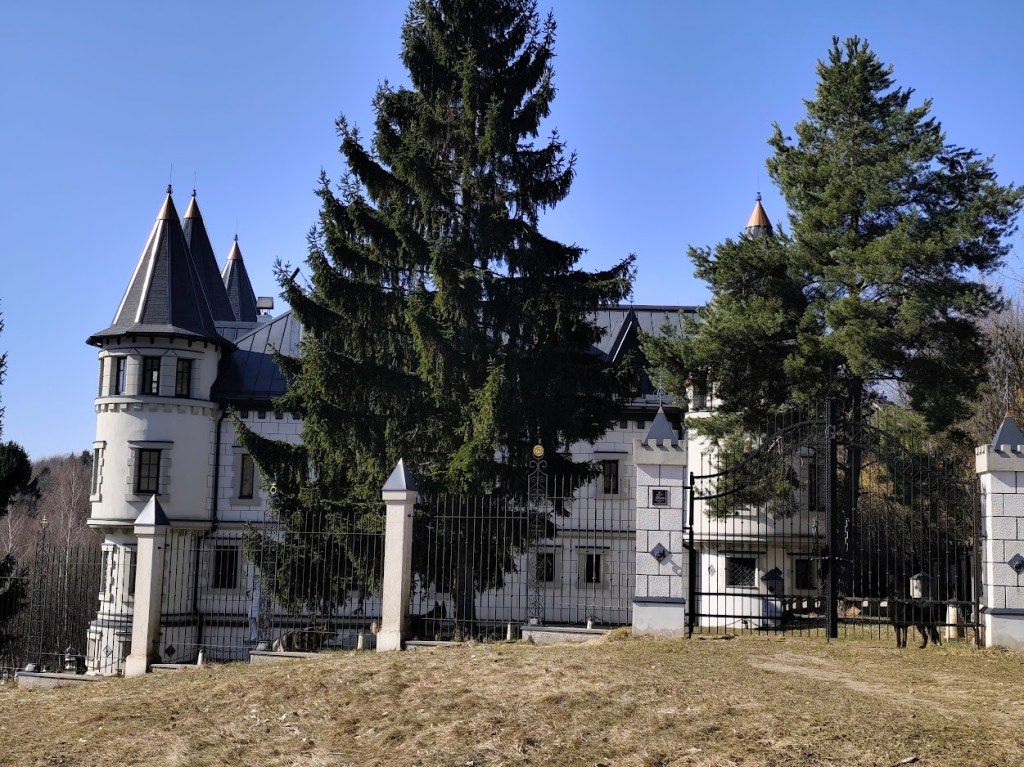
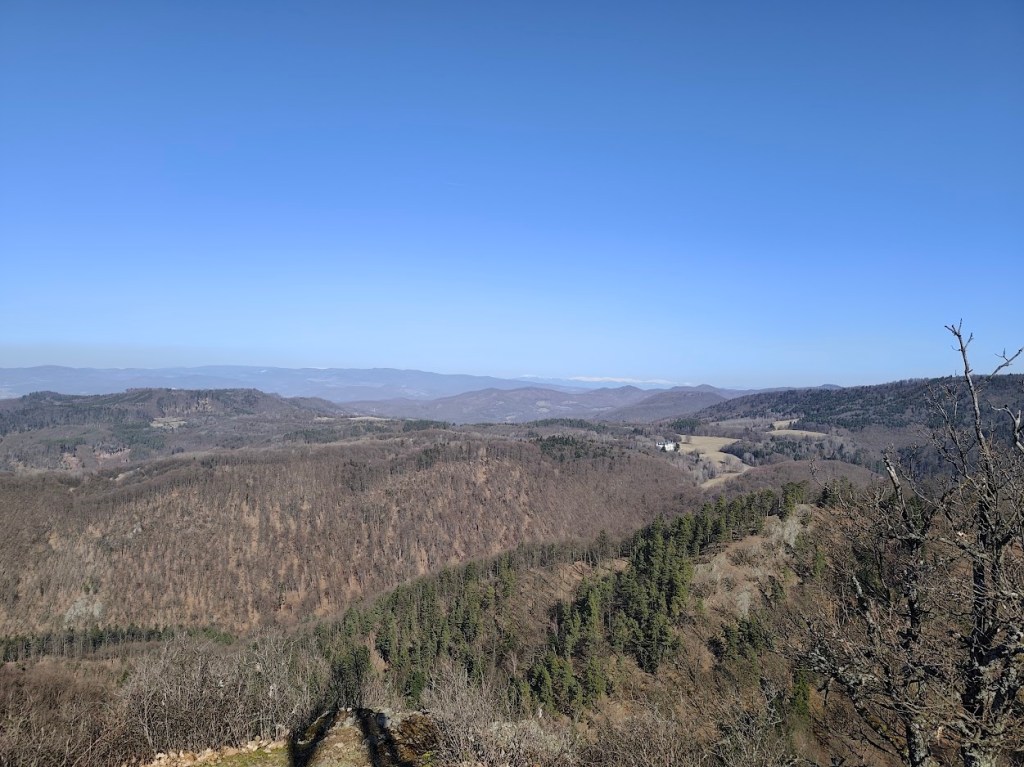
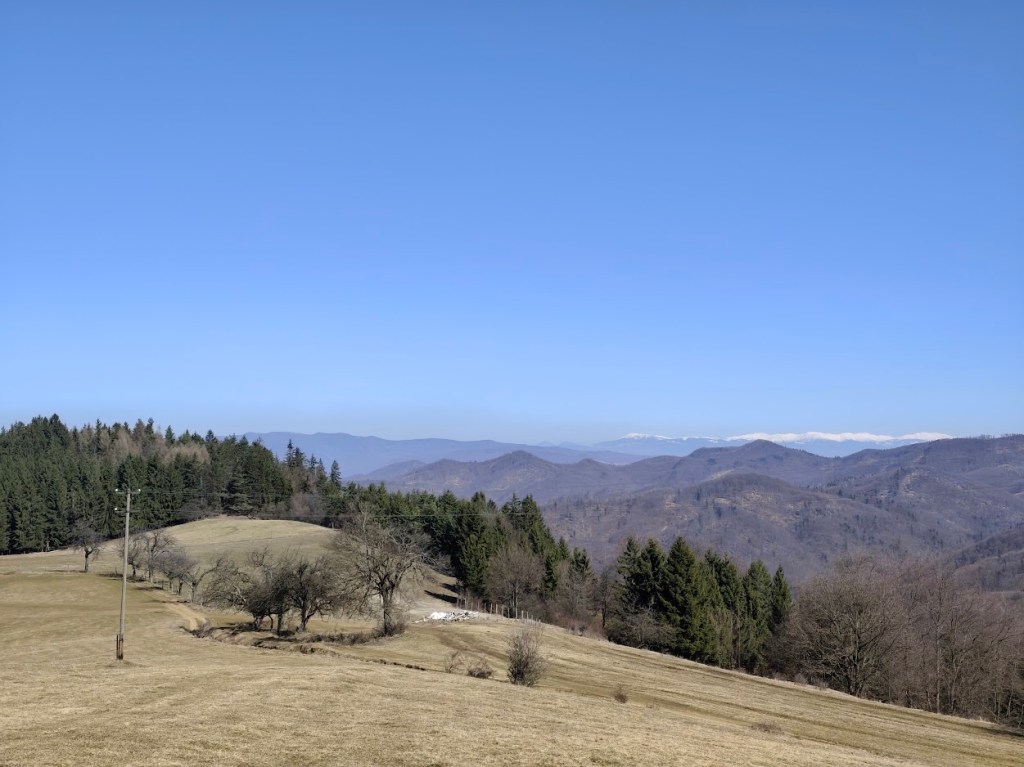
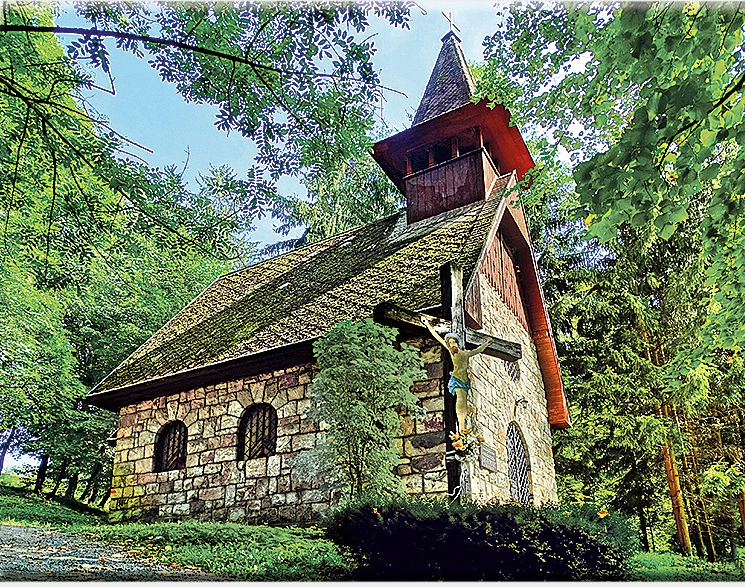
We finally managed to get to the east and stand at the start of the SNP, which begins in the Dukla Pass on the border with Poland. The legendary Slovak ridge path is almost a hundred years old. It originated as the Štefánik Trail, which disappeared and was revived as The path of the heroes of the Slovak National Uprising.
The new form of the highway was brought about by a meeting of the chairmen of the regional sign commissions in 1956, where it was decided to build the Slovak Highway from Devín to Dukla. Despite the fact that the period after 1938 was not favorable for tourism, about ¾ of the original Štefánik Road was preserved and incorporated into the new long-distance route with number 001. The name “The Path of the Heroes of the Slovak National Uprising” was introduced only in 1959.
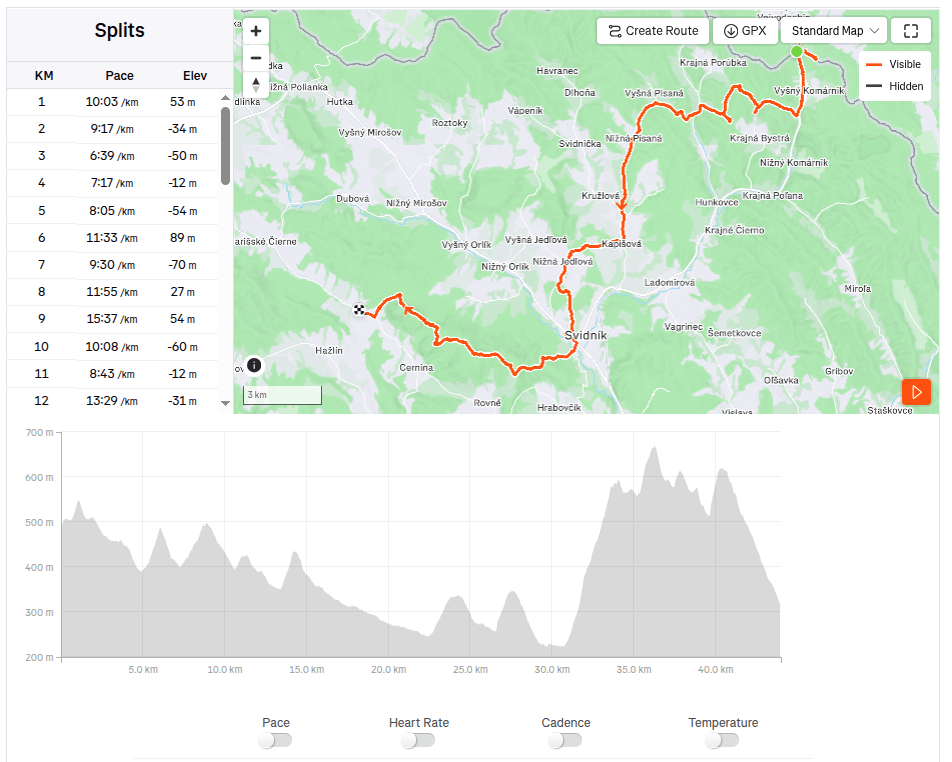
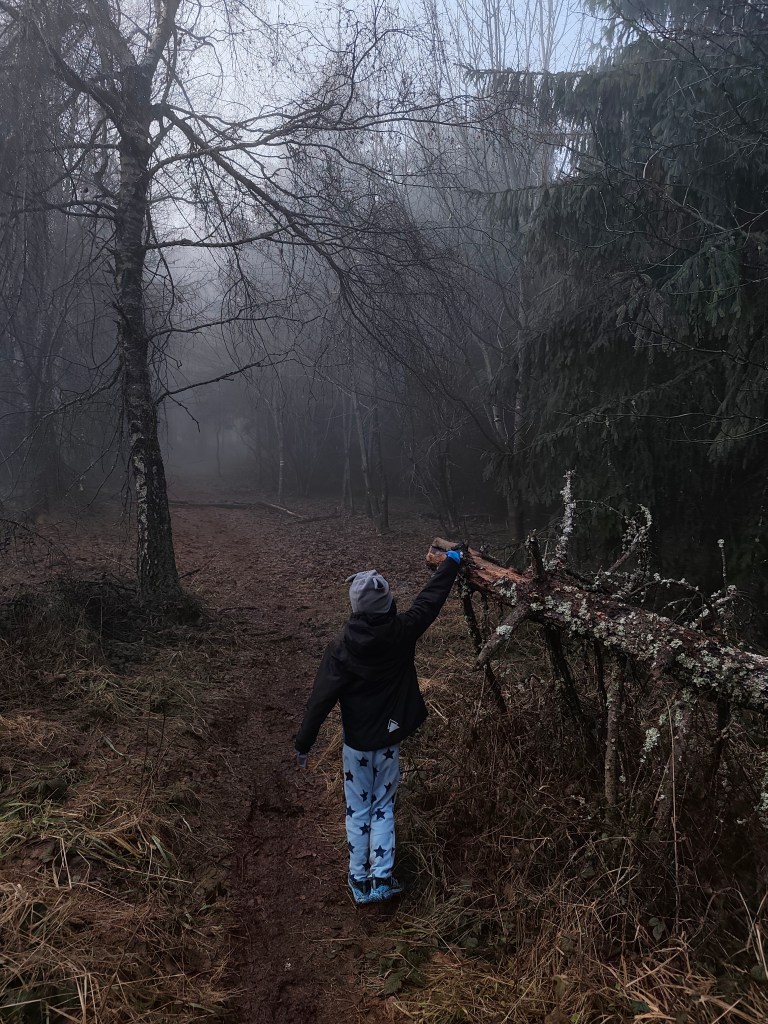
And the Dukla Pass was still dangerous in the first years after the war, because there were minefields there, so we tried to deviate from the route as little as possible, which was not always easy, especially on the approximately 3-kilometer section damaged by mining, which was full of mud up to the ankles.
This stage was special for us, mainly because it was the first time we encountered monuments and remnants of the war. At the Dukla Pass itself, there is a monument and cemetery of the members of the 1st Czechoslovak Army Corps, in the cemetery there are graves with the names of 1,265 fallen soldiers. Under the saddle stands a stone pylon (it is truly monumental, it is 28 m high).
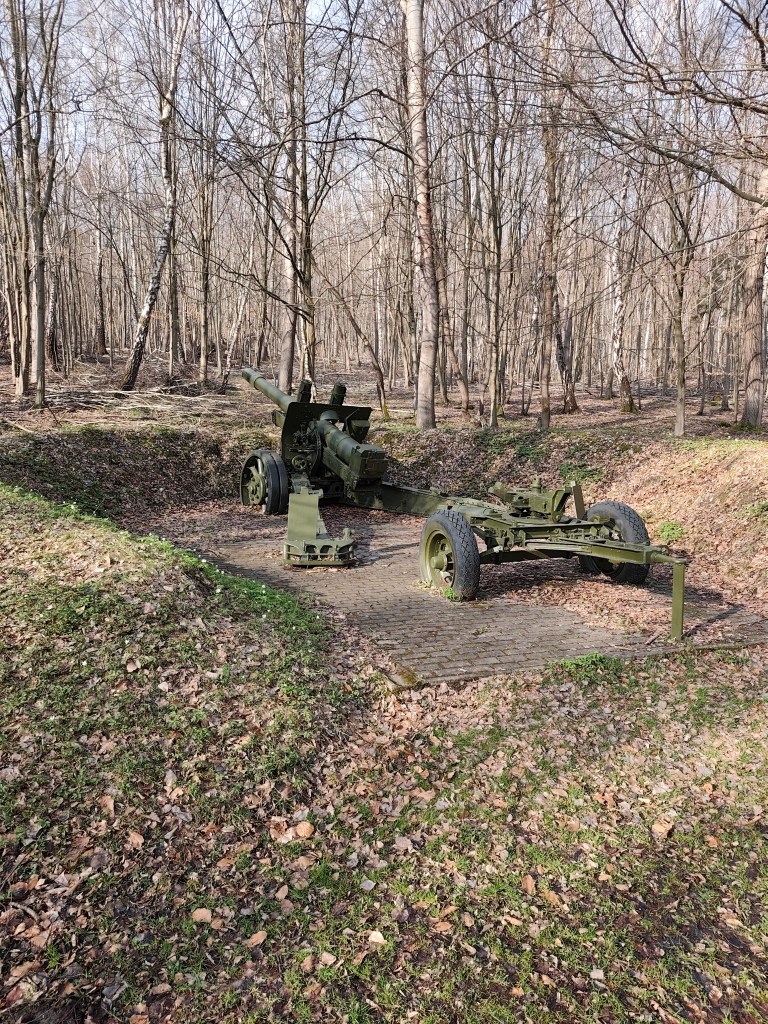
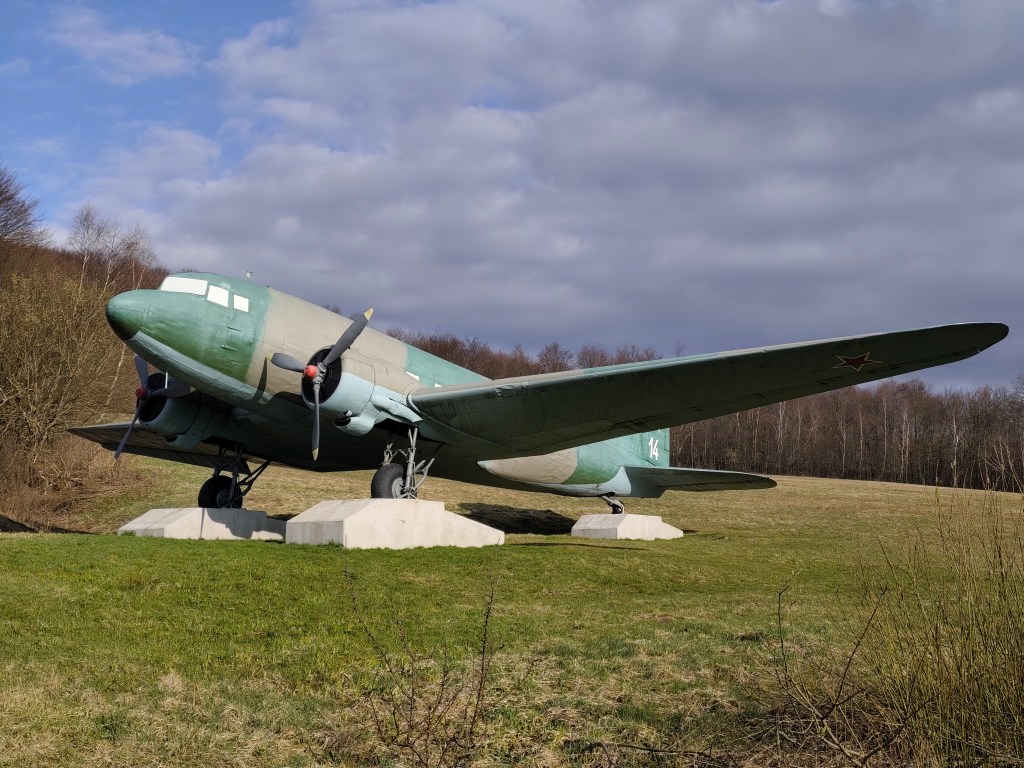
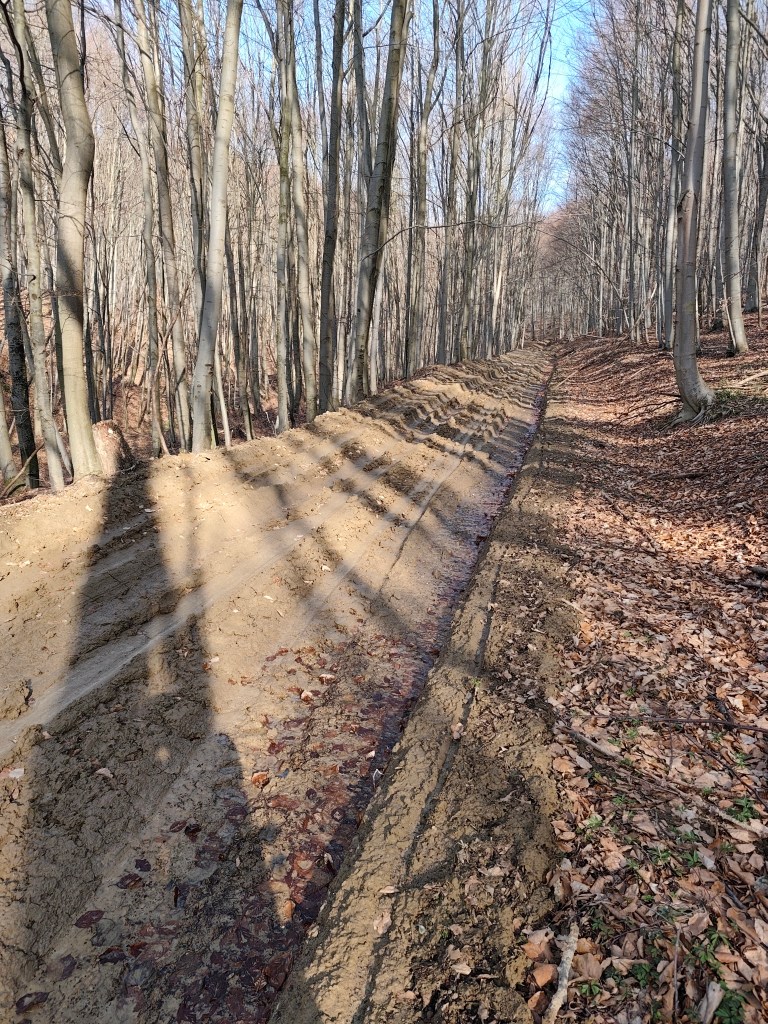
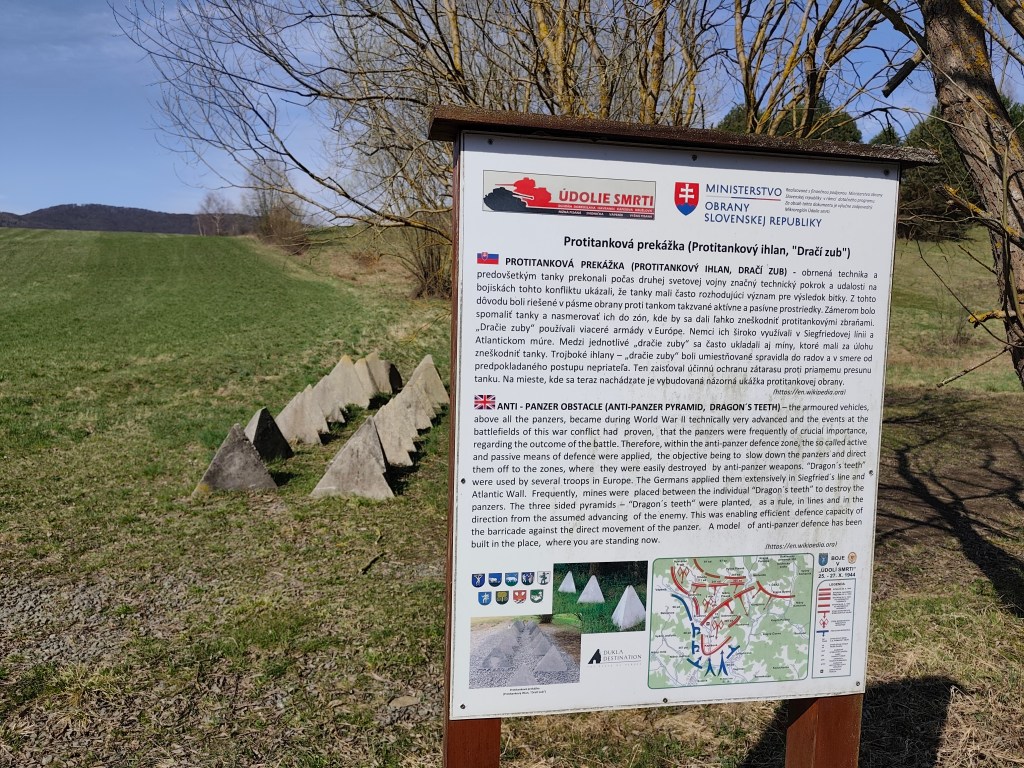
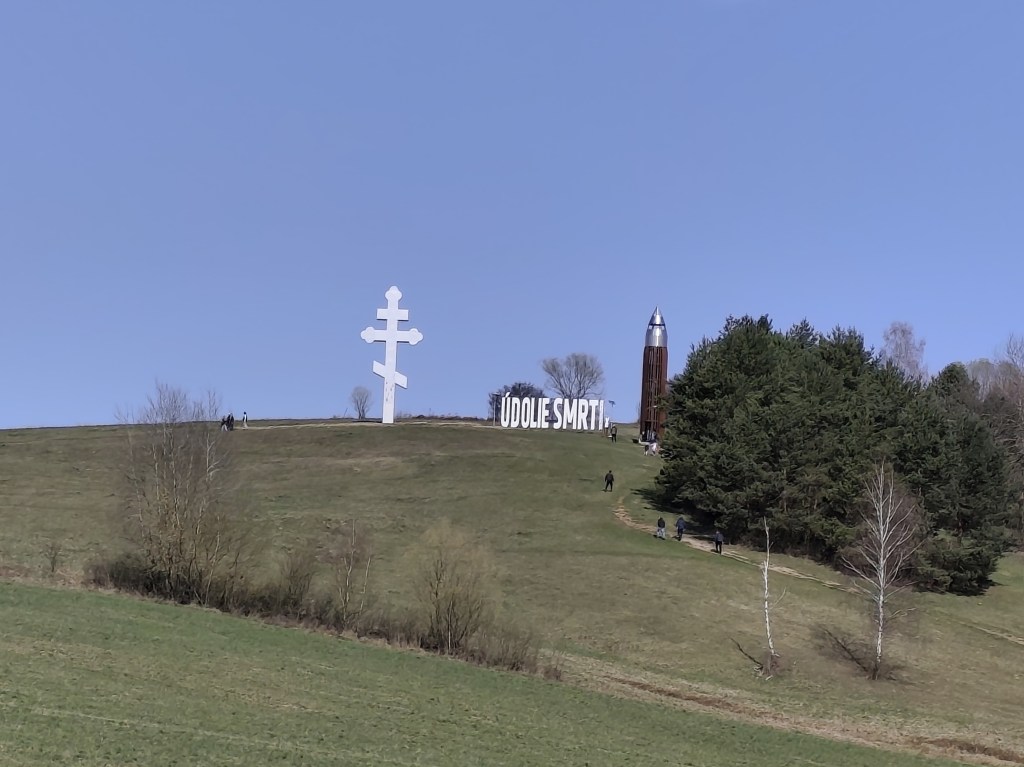
Then we ran around the plane and between the tanks and after a few kilometers we reached the Valley of Death. In 1969, a so-called tank company in attack was built in the area of the Valley of Death as a symbol of heavy tank battles. It consists of eight medium tanks deployed in a combat position on a meadow located between the villages of Kapišová, Kružlová and Nižná Pisaná. Along with the installation of tank technology, trenches were also created in this area and German anti-tank obstacles in the form of so-called dragon teeth were installed. In April 2019, the inscription “ÚDOLIE SMRTI” with dimensions of 9.98 x 2.90 meters was also installed in the tank company area. This is the largest horizontal inscription placed outdoors in Slovakia. In October 2021, a 13.5-meter-high four-story observation tower was subsequently built next to it, which with its specific shape resembles a cartridge for a Czechoslovak model 24 rifle.
651
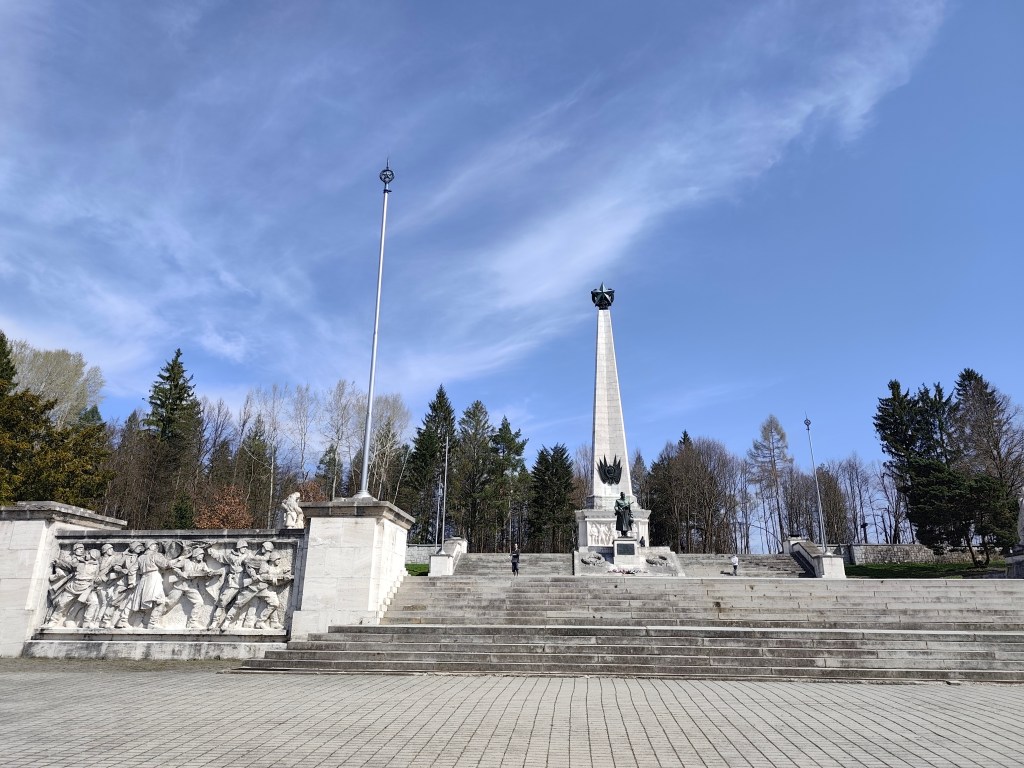
We reach Svidník and right on its edge is the area of the Dukla battlefield with the monumental Soviet Army Memorial. The pylon of the memorial itself has the shape of a four-sided pyramid and its total height reaches 37 meters. It is topped by a five-pointed star measuring 3.5 meters. Large-scale artistic reliefs were installed in the square pedestal of the pylon. Spiš travertine, which was imported from Spišské Podhradie, was used as the basic building material. The original memorial dates from 1954, but in 2017-2021 it underwent a complete revitalization. Next to the memorial there is also an outdoor museum exhibition with exhibits of military equipment.
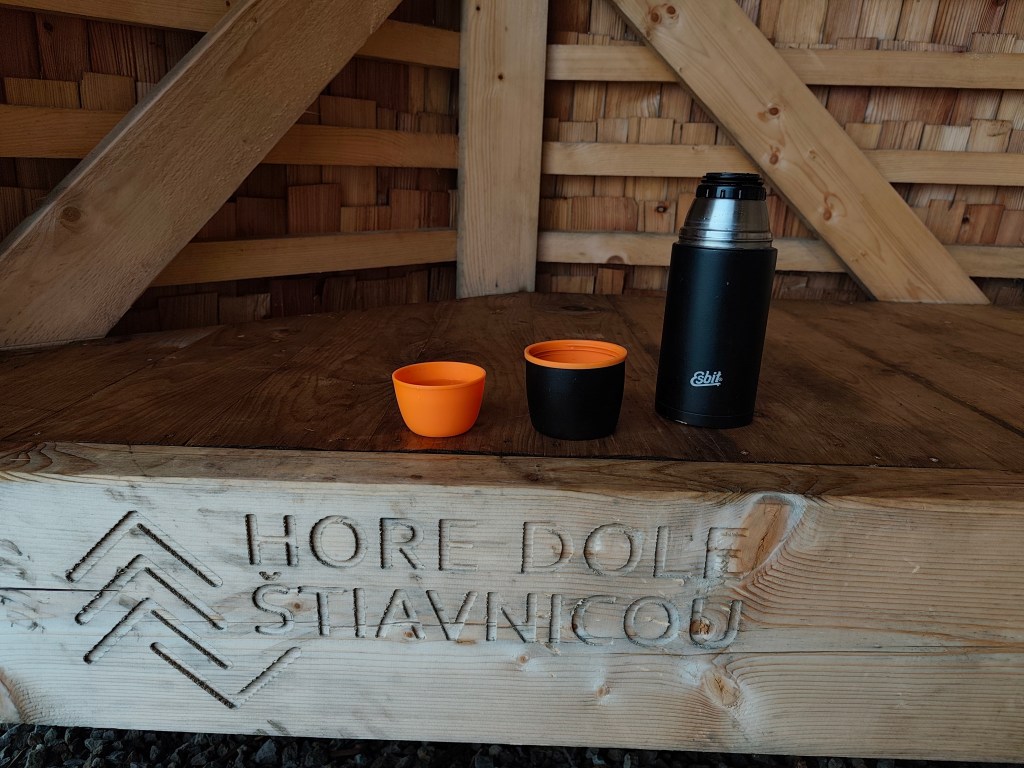
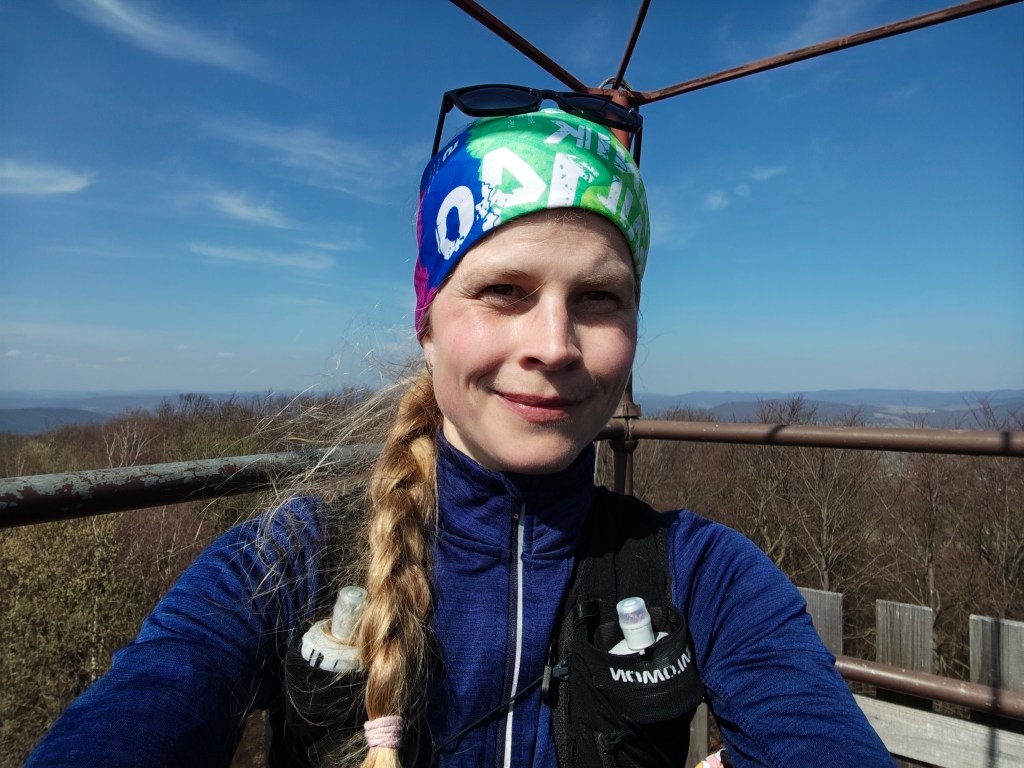
We leave the city and climb to Čierna Hora, where there is a relatively newly built shelter and an observation tower, which is quite an adrenaline attraction when the wind blows.
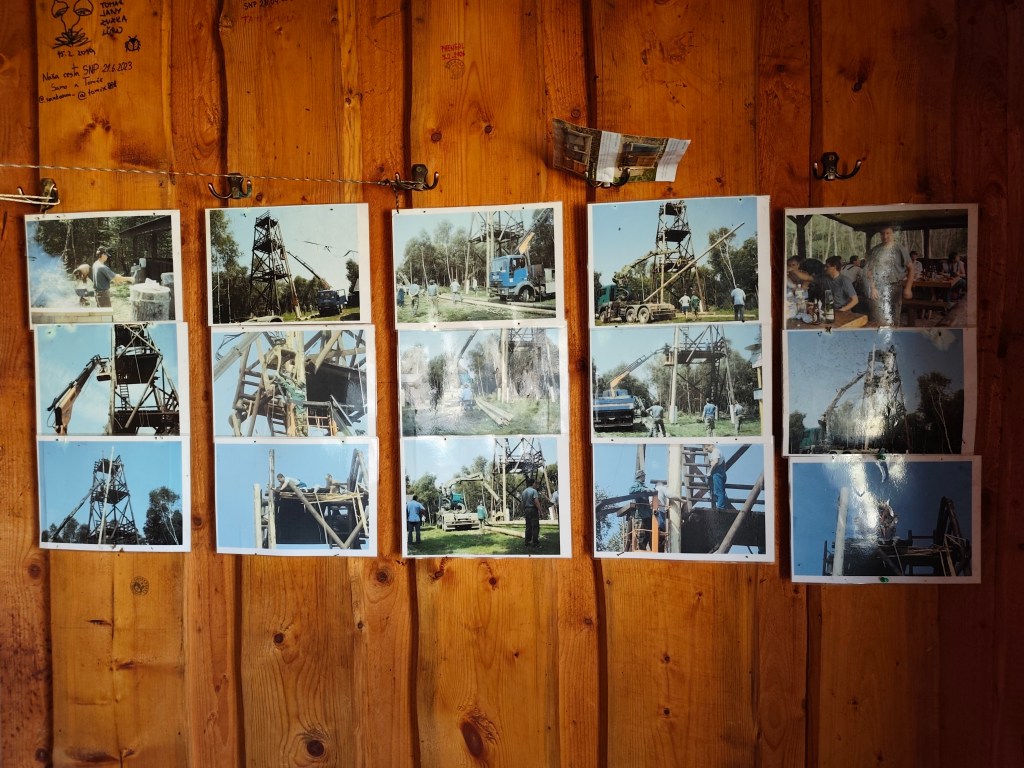
There are interesting photos in the shelter documenting the construction of this observation tower.
Dnešnú etapu končíme v Kurimke, odkiaľ plánujeme zajtra pokračovať.