-
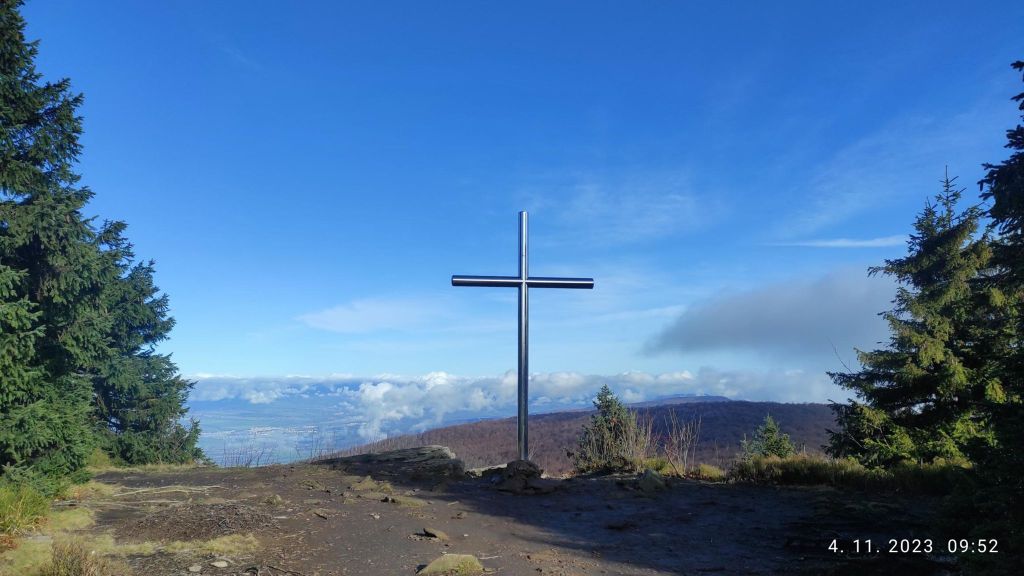
Vtáčnik
The entire mountain range created in ancient times by volcanic activity, there are beautiful andesite rock formations. The Vtáčnik Hill and its surroundings are part of the same national nature reserve, characterized by old forest stands of places of forest-like character.
We started 4.11.2023 early in the morning from Kľak village speedhiking to the hill Vtáčnik, then we run down to Končitá and back through Bystrianska valley to Rúbaný vrch back to the Vtáčnik again:)
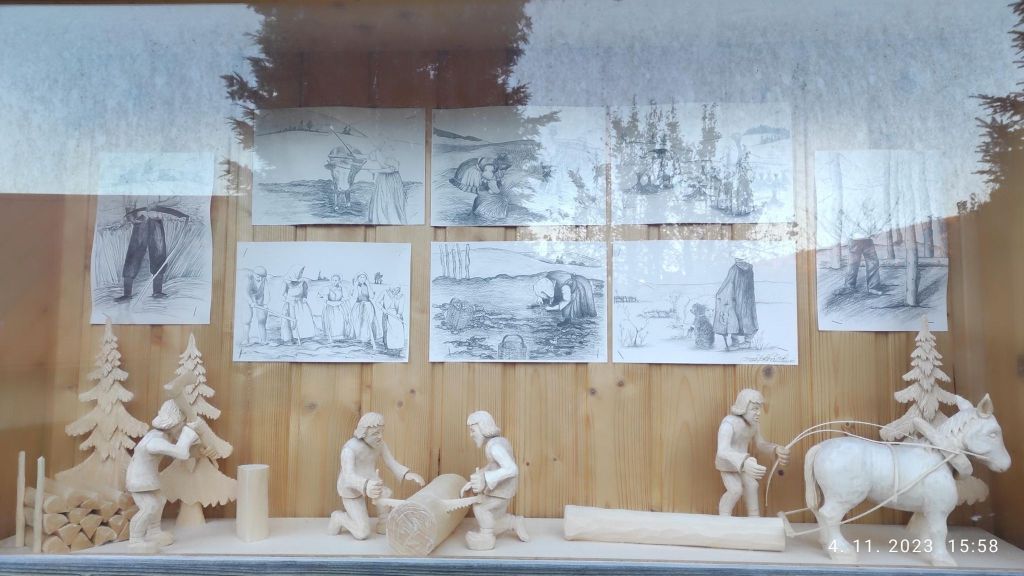
Nice woodwork in Kľak Cross on top of the Vtáčnik Končitá is a nature monument, with lots of andesite rocks. Končita is dominated by a 30-meter high andesite tower. There is a cottage under Končitá where you can grab a coffee, drink or some food. We enjoyed coffee and radler.
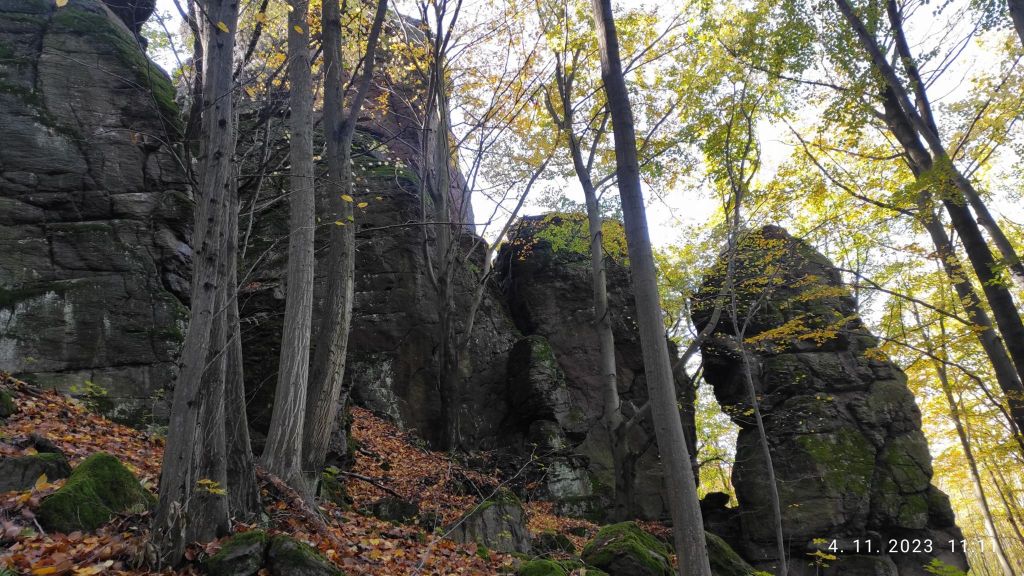
Rocks monuments in Končitá 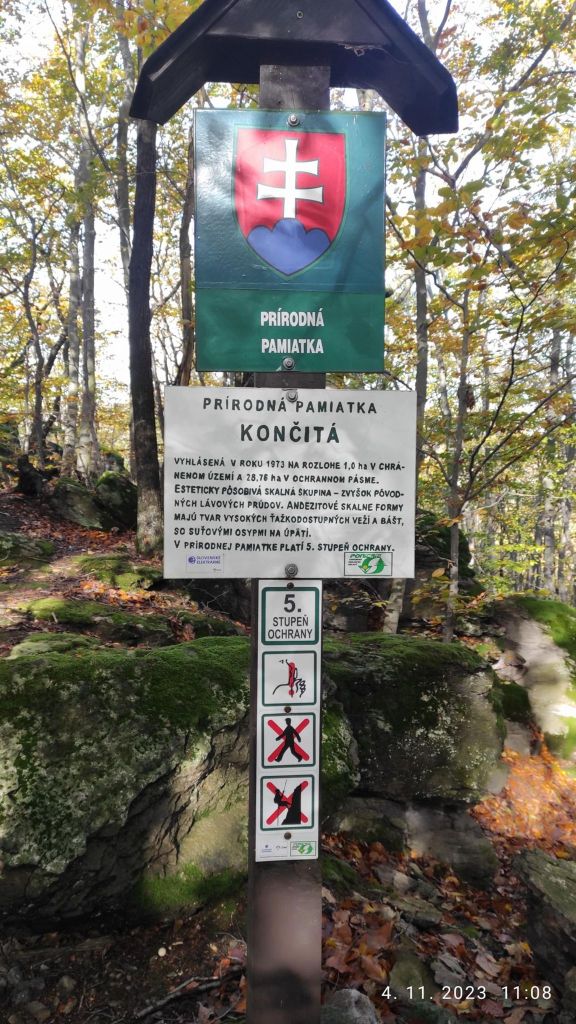
Konitá has the highest degree of protection Hrádok is a site with archaeological finds. Around the year 1000 BC, a castle was built here, different cultures alternated here, and in the 9th century this place was settled by Slavs. On the upper plateau there was a permanent citadel and in the 13th century a watchtower and a residential tower.
In addition to the historical value of this location, Hrádok is the second most important climbing location after the Tatra Mountains. This rock wall is approximately 400 meters long, with a height of 100 meters, where more than 70 climbing routes are marked.There is a ferrata on Hrádok too.
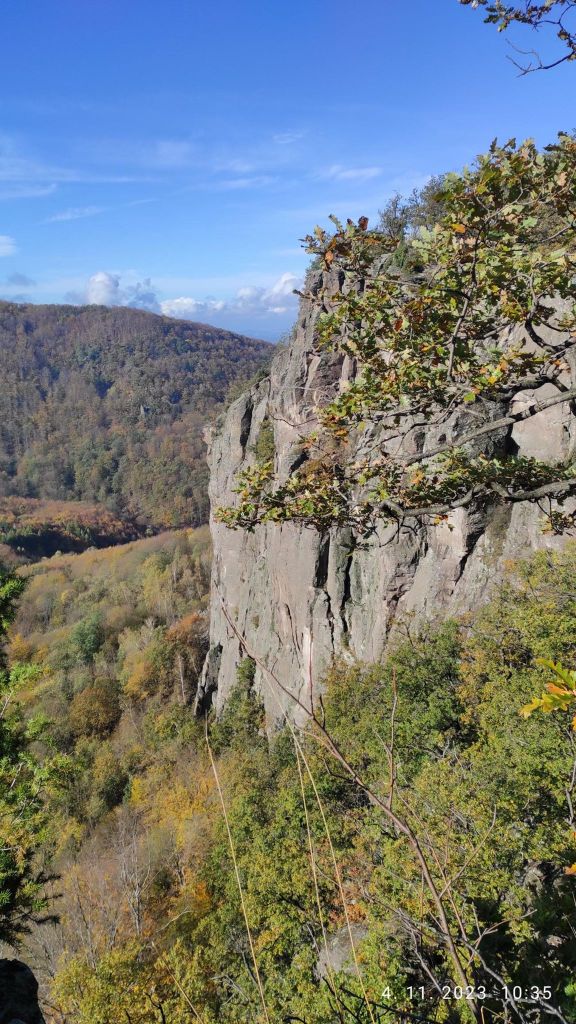
Hrádok 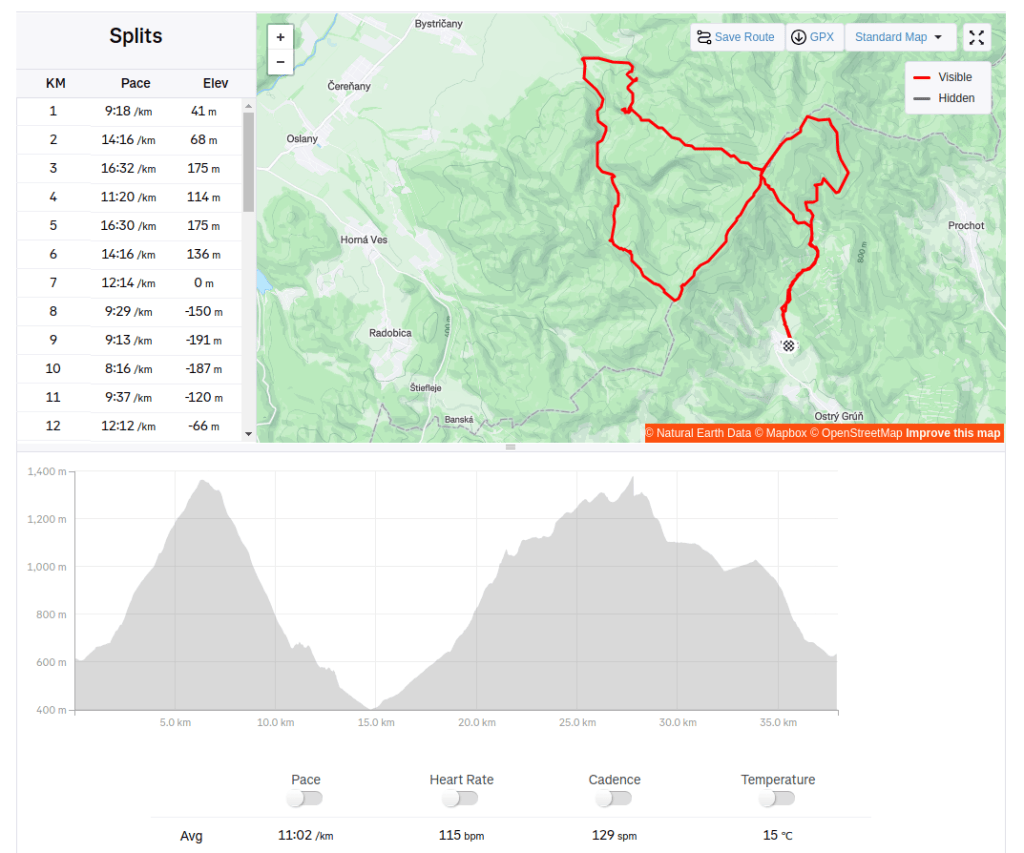
37.94km, 1988m ascent, 7h 36min -
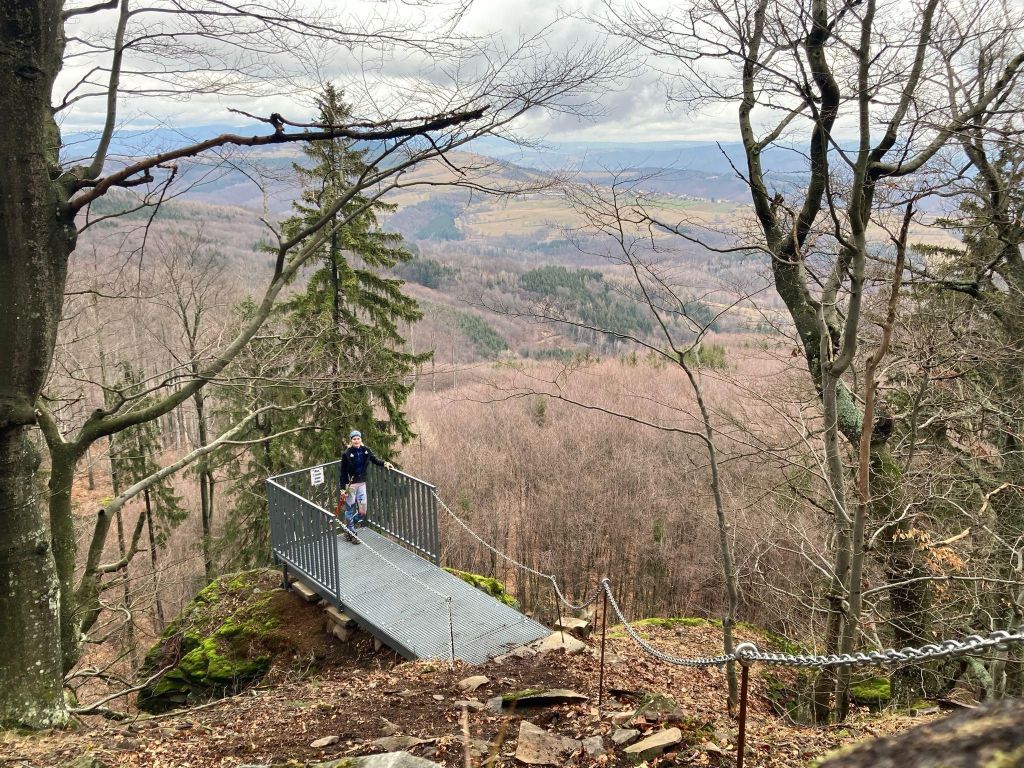
Divín
From Divín, to Podkriváň, through Budínska skala, Bralce and Divín castle on 24.2.2024.
Inside the andesite massif of Budínska Rock there is a smaller 7.5-metre-high cave, called Jánošík’s Room or Jánošík’s Shelter.
This cave is a natural monument and it is freely accessible to the public. The andesite lava at Budínska Rock is the remnants of the lava cover that poured out from the massive Javorie volcano 13 million years ago; alongside volcano fragments, it covered the slopes of the volcano
Tradition says that bandits used to hide in the cave, the locals linking it with Jánošík. The cave also served as a shelter for shepherds in unfavourable weather conditions.
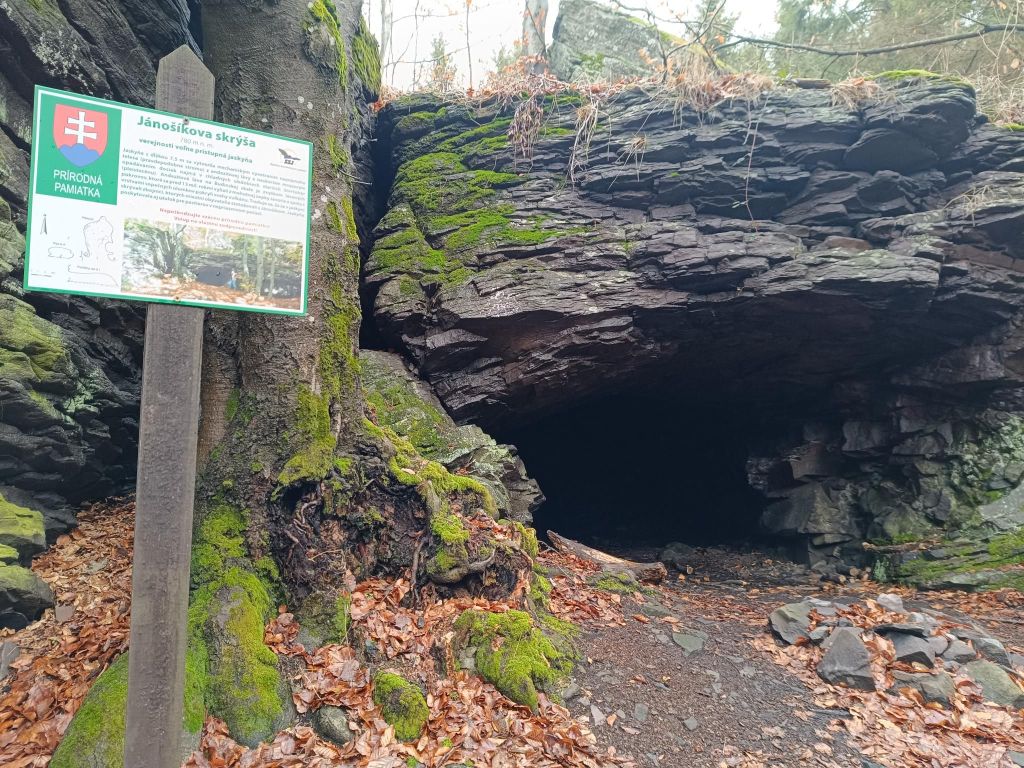
Jánošík’s shelter 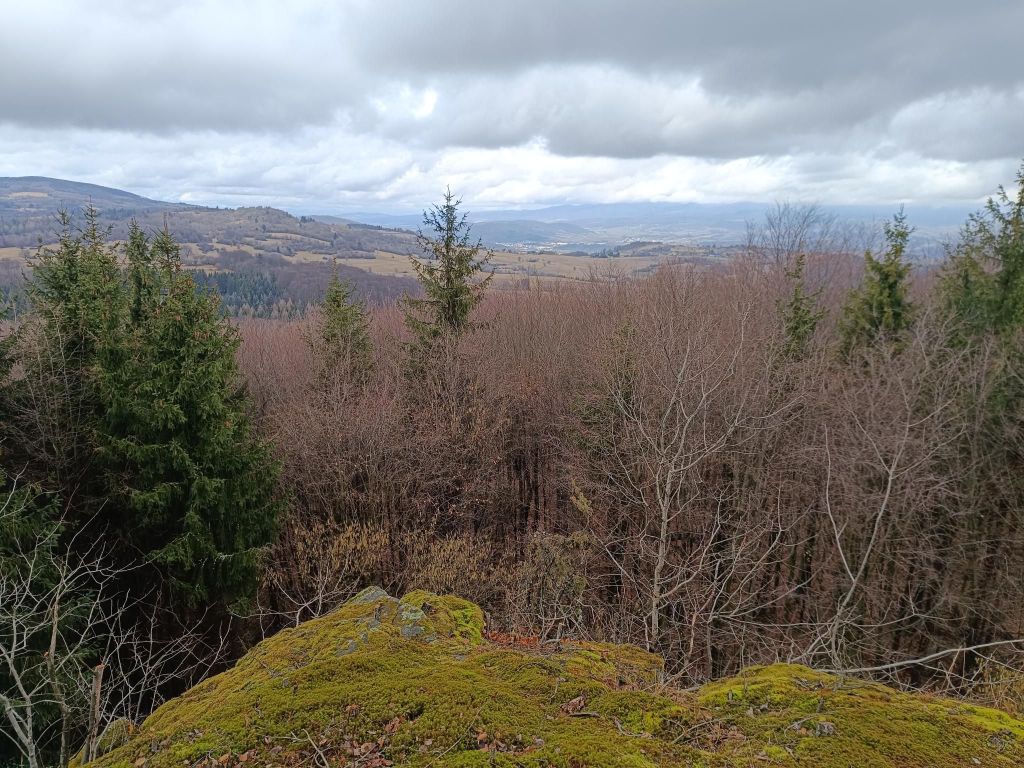
Viewpoint Javor newly created viewpoint 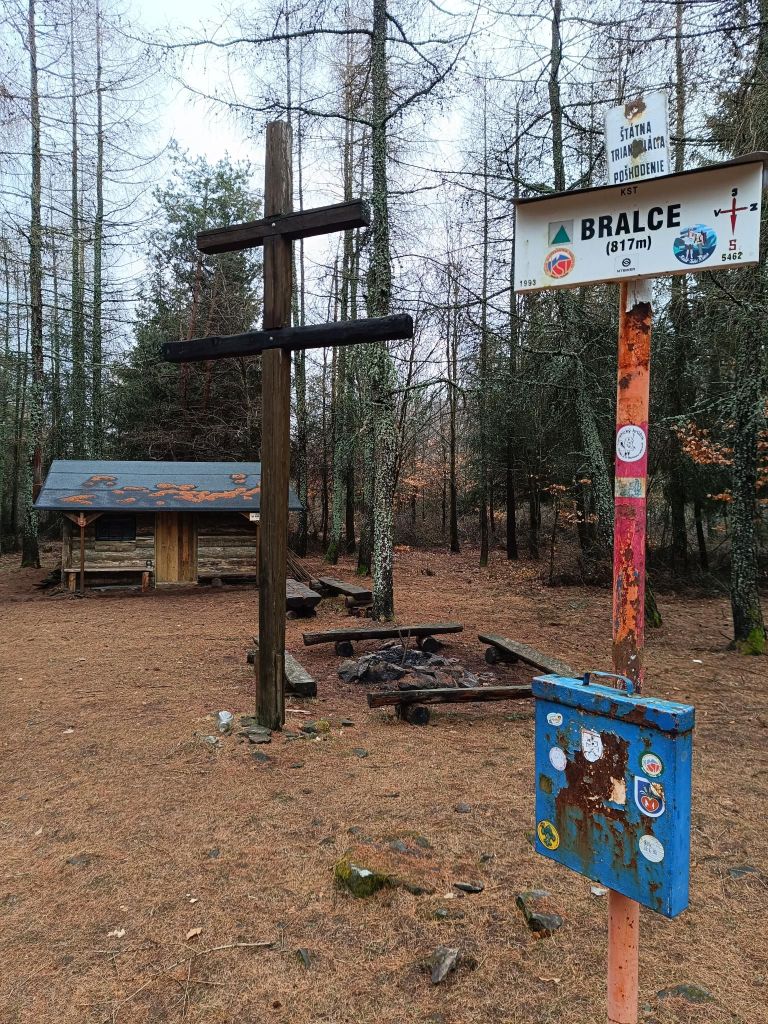
Tourist shelter Bralce The village Divín is situated next to the water reservoir Ružiná in south of central Slovakia. Ruins of the medieval Divín Castle can be seen above the village.
The Castle was built by the end of the 13th century and it played an important role as an anti-Turkish fort in the 16th century. Its ill-famed owner Imrich Balassa, robber knight seated here in the 17th century and undertook assaults in its environs. After his death, the Castle was conquered by the Imperial troops in 1683 and fell in decay. Only parts of some walls survive.
Fortified and likewise abandoned Renaissance manor house, Baroque church and the building of parsonage with the oldest sundial in region of Novohrad are in Divín. Interesting events are organized here in summer months.
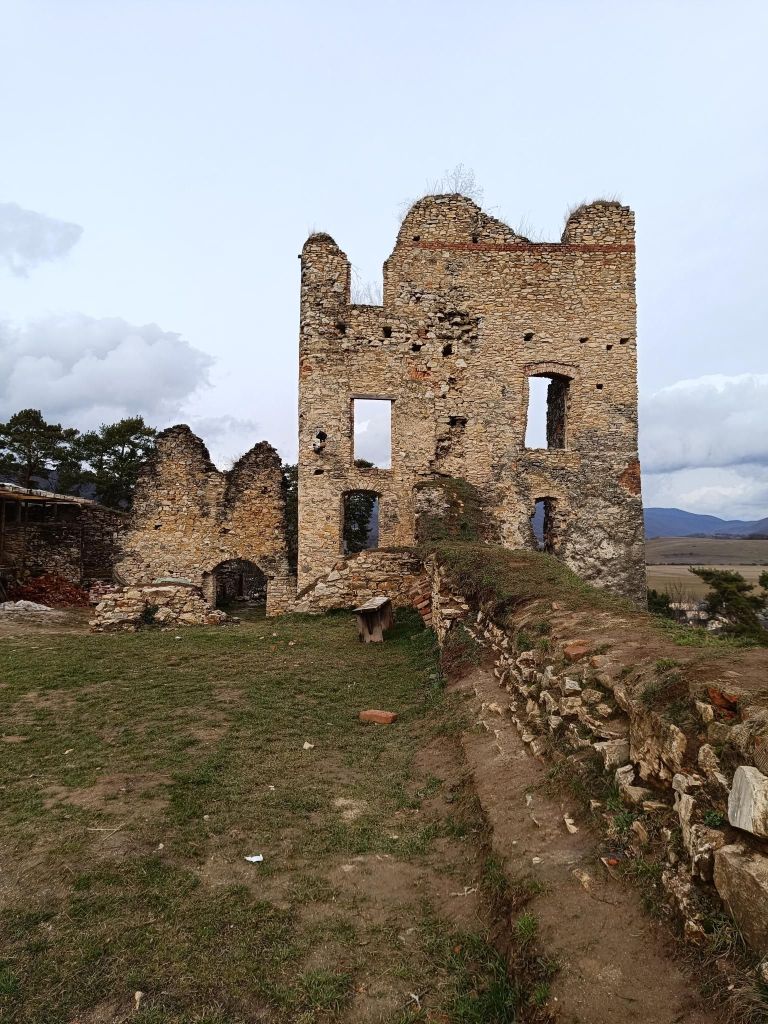
Castle Divín 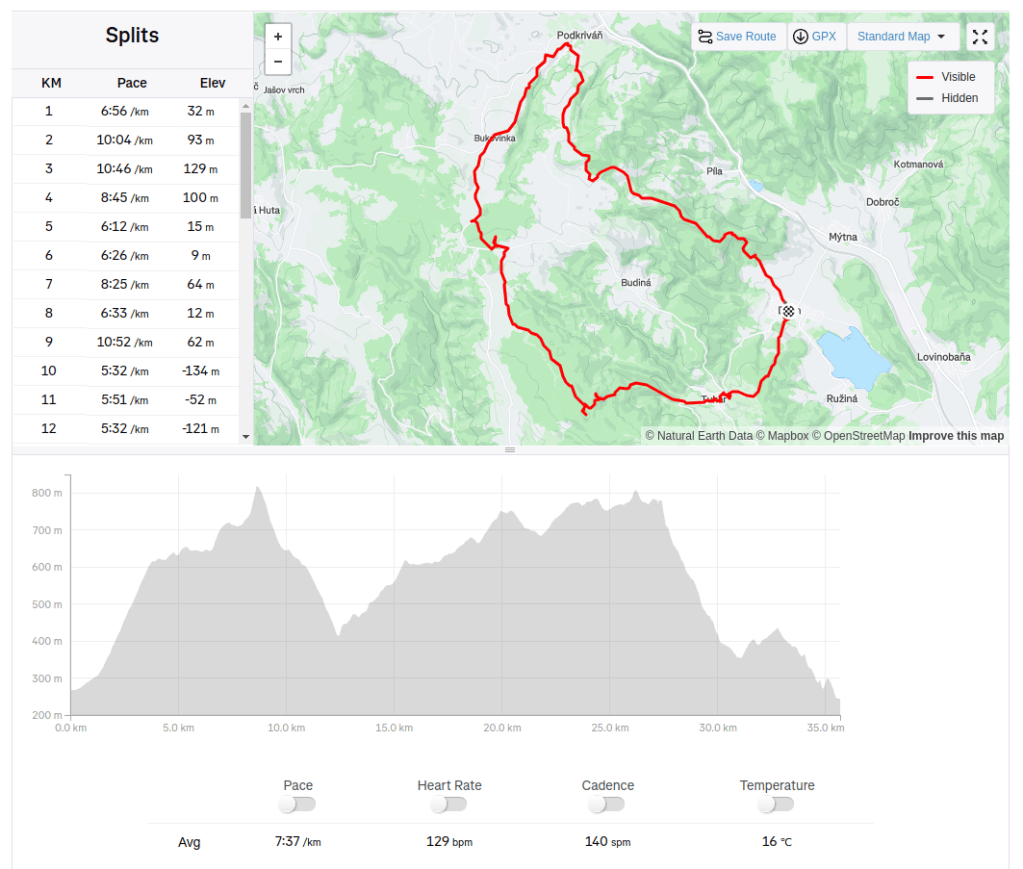
35.68km, 1299 ascent, 4h 56 min
-
Subscribe
Subscribed
Have a WordPress.com account? Log in now.

