-
SNP girl’s project, day 10
We finally managed to get to the east and stand at the start of the SNP, which begins in the Dukla Pass on the border with Poland. The legendary Slovak ridge path is almost a hundred years old. It originated as the Štefánik Trail, which disappeared and was revived as The path of the heroes of the Slovak National Uprising.
This stage was mainly accompanied by tanks The new form of the highway was brought about by a meeting of the chairmen of the regional sign commissions in 1956, where it was decided to build the Slovak Highway from Devín to Dukla. Despite the fact that the period after 1938 was not favorable for tourism, about ¾ of the original Štefánik Road was preserved and incorporated into the new long-distance route with number 001. The name “The Path of the Heroes of the Slovak National Uprising” was introduced only in 1959.
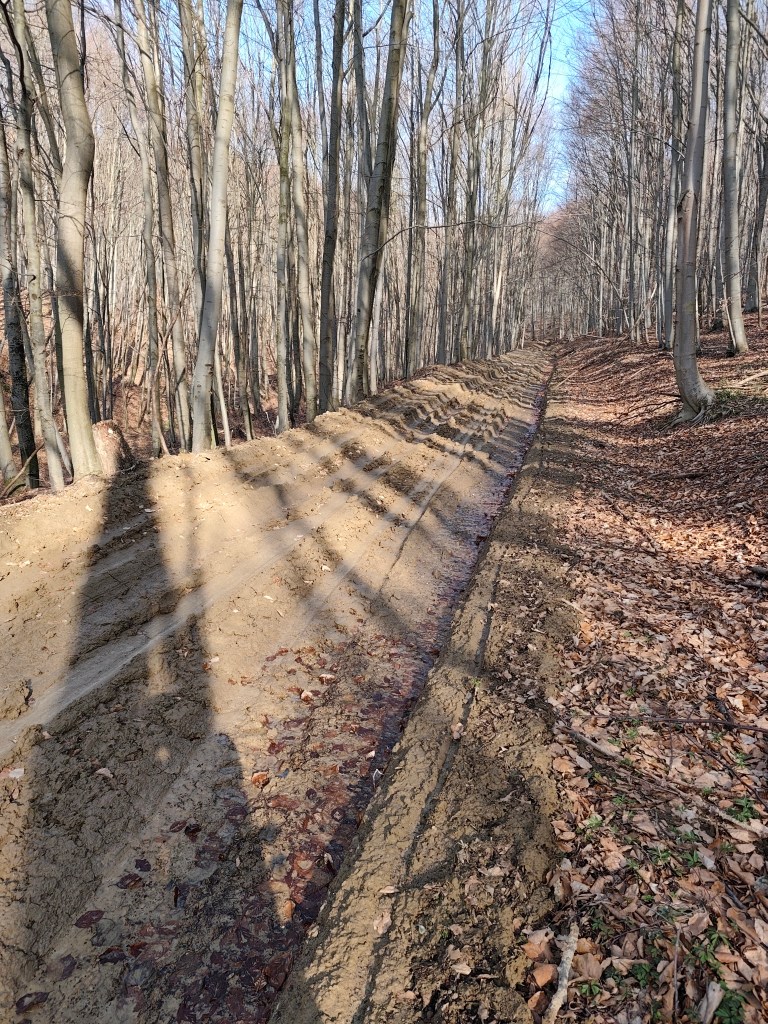
So that what happened here in the past is never forgotten And the Dukla Pass was still dangerous in the first years after the war, because there were minefields there, so we tried to deviate from the route as little as possible, which was not always easy, especially on the approximately 3-kilometer section damaged by mining, which was full of mud up to the ankles.
This is a tourist path too This stage was special for us, mainly because it was the first time we encountered monuments and remnants of the war. At the Dukla Pass itself, there is a monument and cemetery of the members of the 1st Czechoslovak Army Corps, in the cemetery there are graves with the names of 1,265 fallen soldiers. Under the saddle stands a stone pylon (it is truly monumental, it is 28 m high).
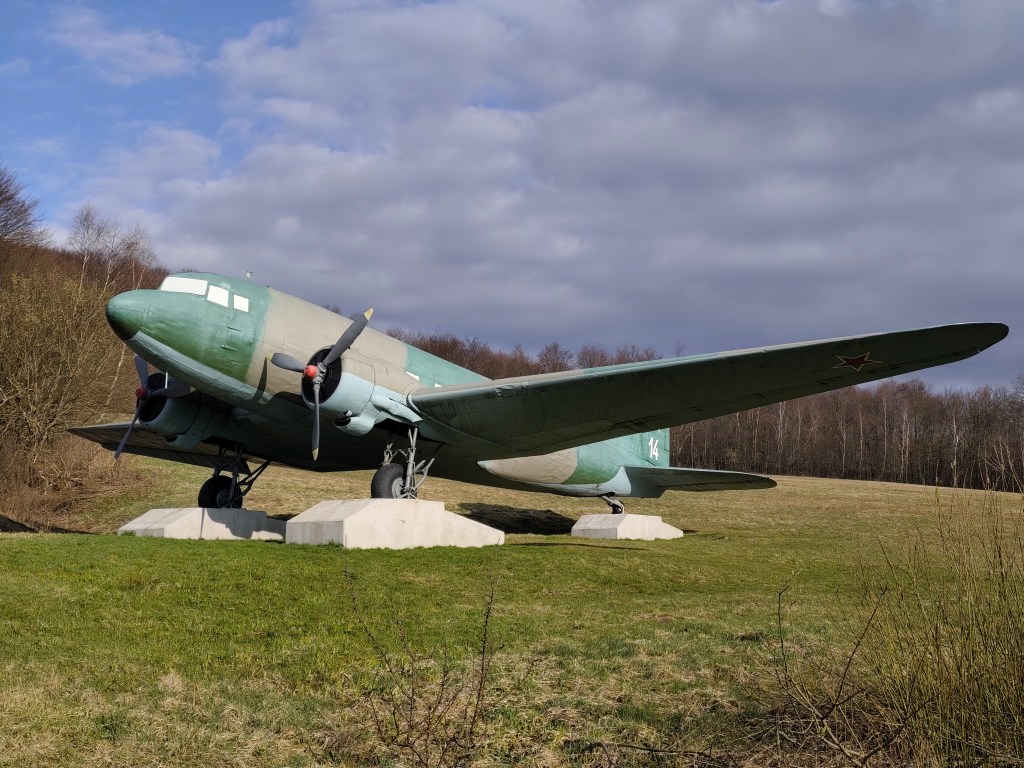
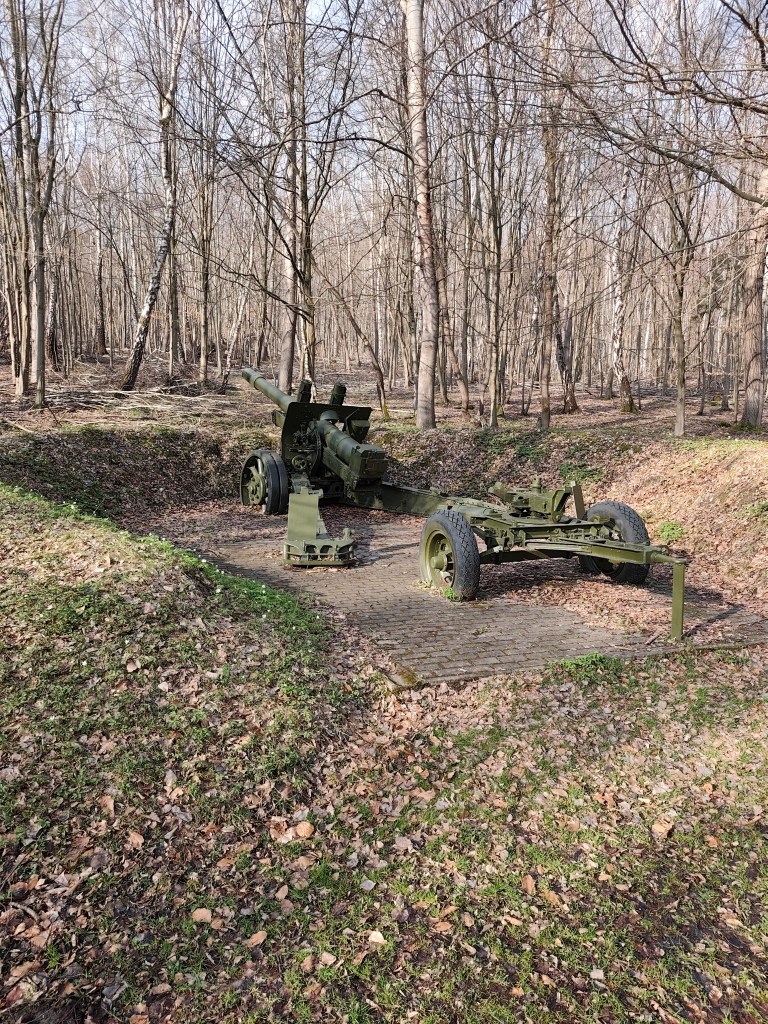
Then we ran around the plane and between the tanks and after a few kilometers we reached the Valley of Death. In 1969, a so-called tank company in attack was built in the area of the Valley of Death as a symbol of heavy tank battles. It consists of eight medium tanks deployed in a combat position on a meadow located between the villages of Kapišová, Kružlová and Nižná Pisaná. Along with the installation of tank technology, trenches were also created in this area and German anti-tank obstacles in the form of so-called dragon teeth were installed. In April 2019, the inscription “ÚDOLIE SMRTI” with dimensions of 9.98 x 2.90 meters was also installed in the tank company area. This is the largest horizontal inscription placed outdoors in Slovakia. In October 2021, a 13.5-meter-high four-story observation tower was subsequently built next to it, which with its specific shape resembles a cartridge for a Czechoslovak model 24 rifle.
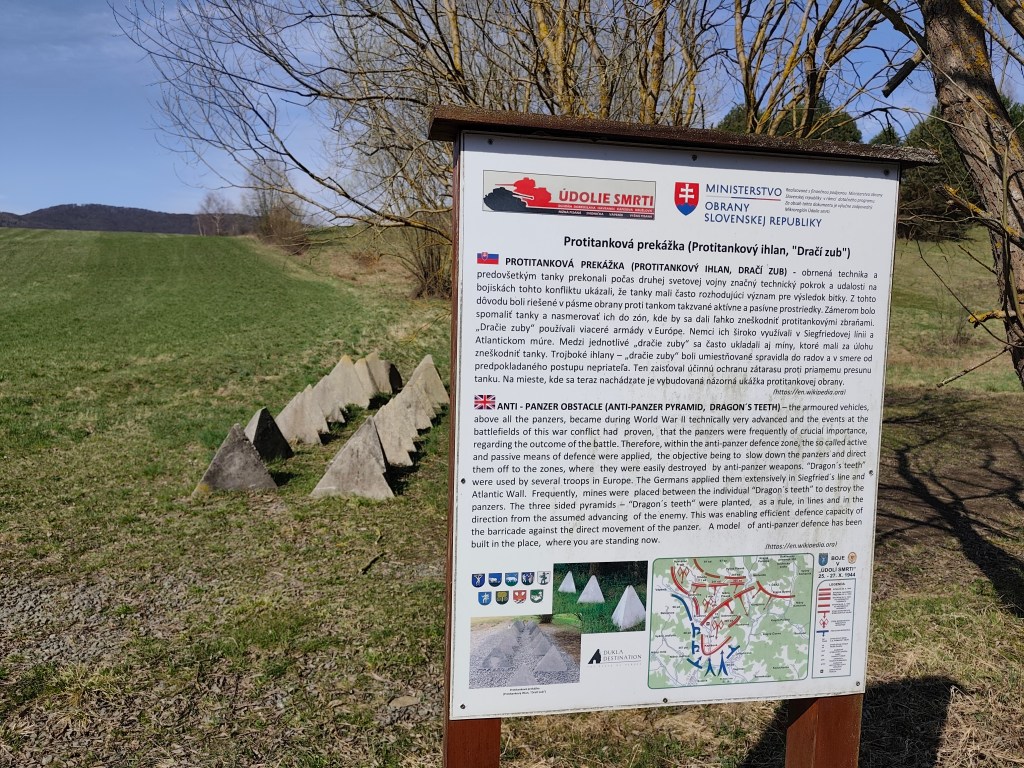
anti-tank dragon teeth 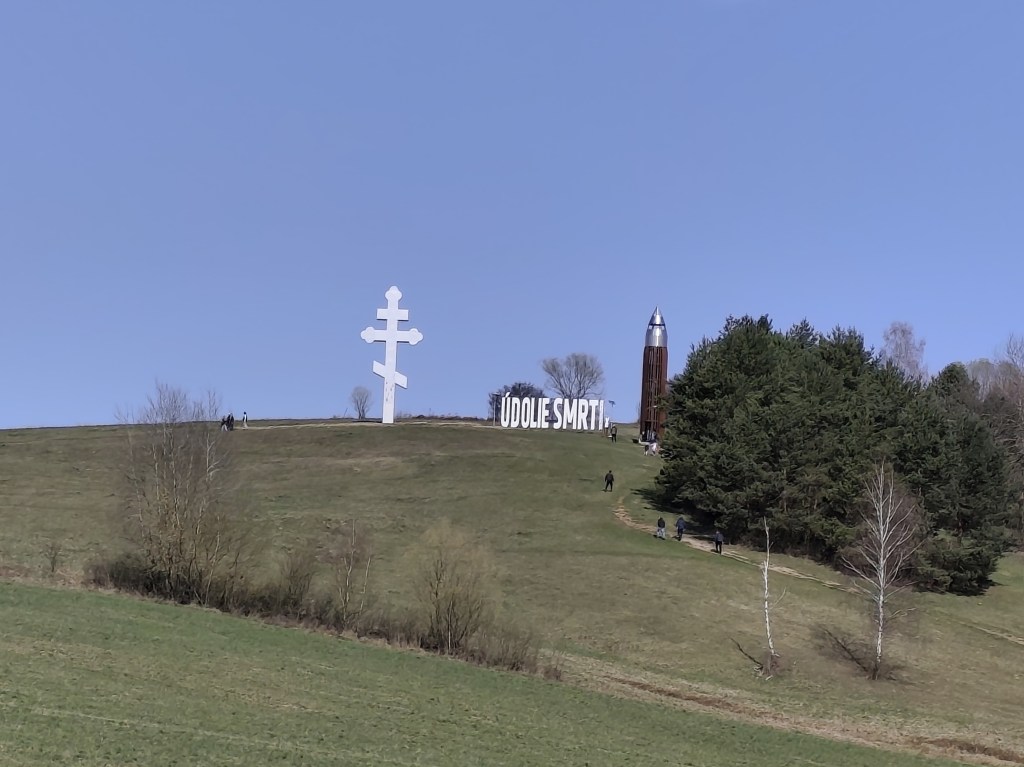
The valley of death 651
We reach Svidník and right on its edge is the area of the Dukla battlefield with the monumental Soviet Army Memorial. The pylon of the memorial itself has the shape of a four-sided pyramid and its total height reaches 37 meters. It is topped by a five-pointed star measuring 3.5 meters. Large-scale artistic reliefs were installed in the square pedestal of the pylon. Spiš travertine, which was imported from Spišské Podhradie, was used as the basic building material. The original memorial dates from 1954, but in 2017-2021 it underwent a complete revitalization. Next to the memorial there is also an outdoor museum exhibition with exhibits of military equipment.
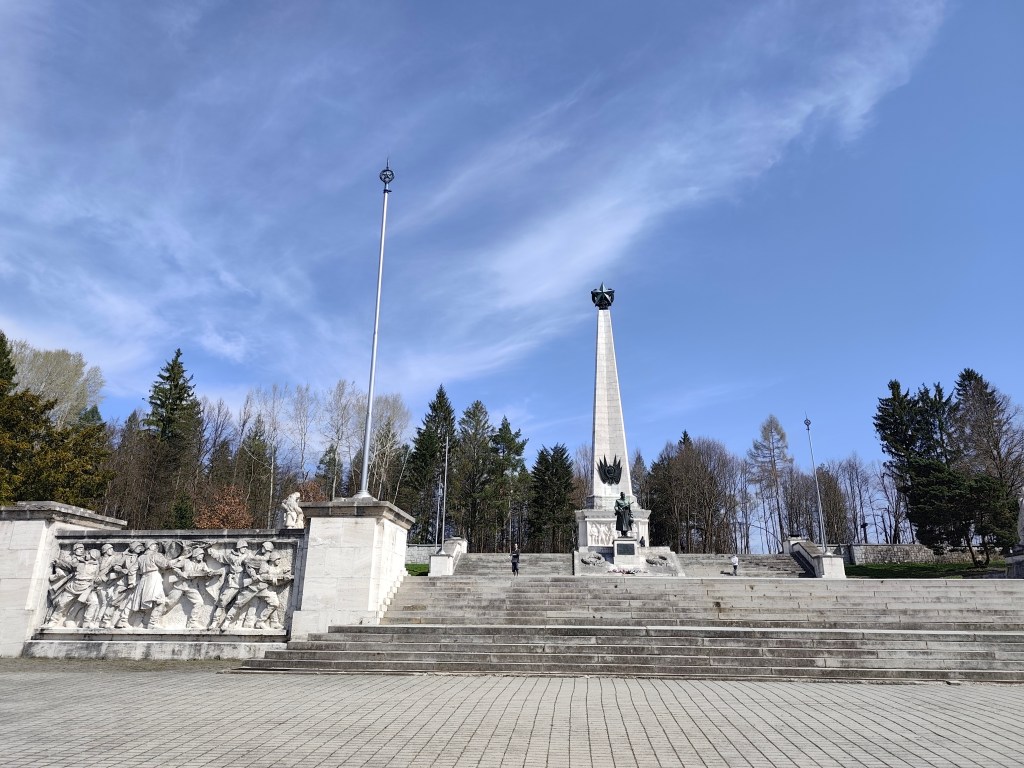
Memorial in Svidníku We leave the city and climb to Čierna Hora, where there is a relatively newly built shelter and an observation tower, which is quite an adrenaline attraction when the wind blows.
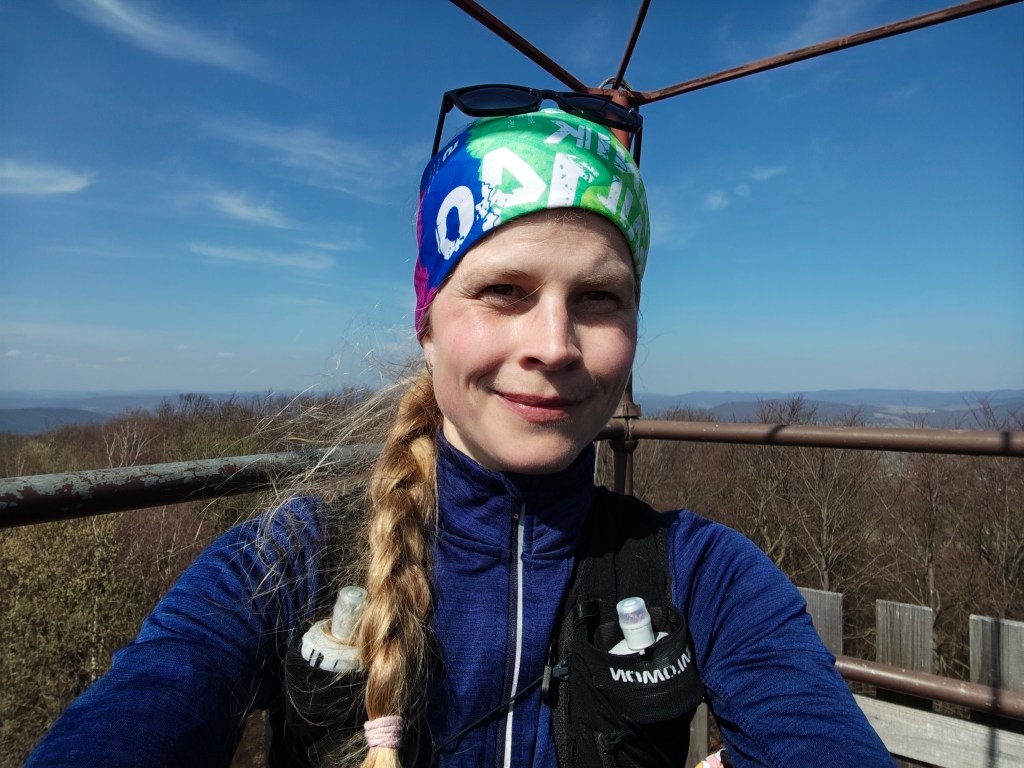
On the obervation tower There are interesting photos in the shelter documenting the construction of this observation tower.
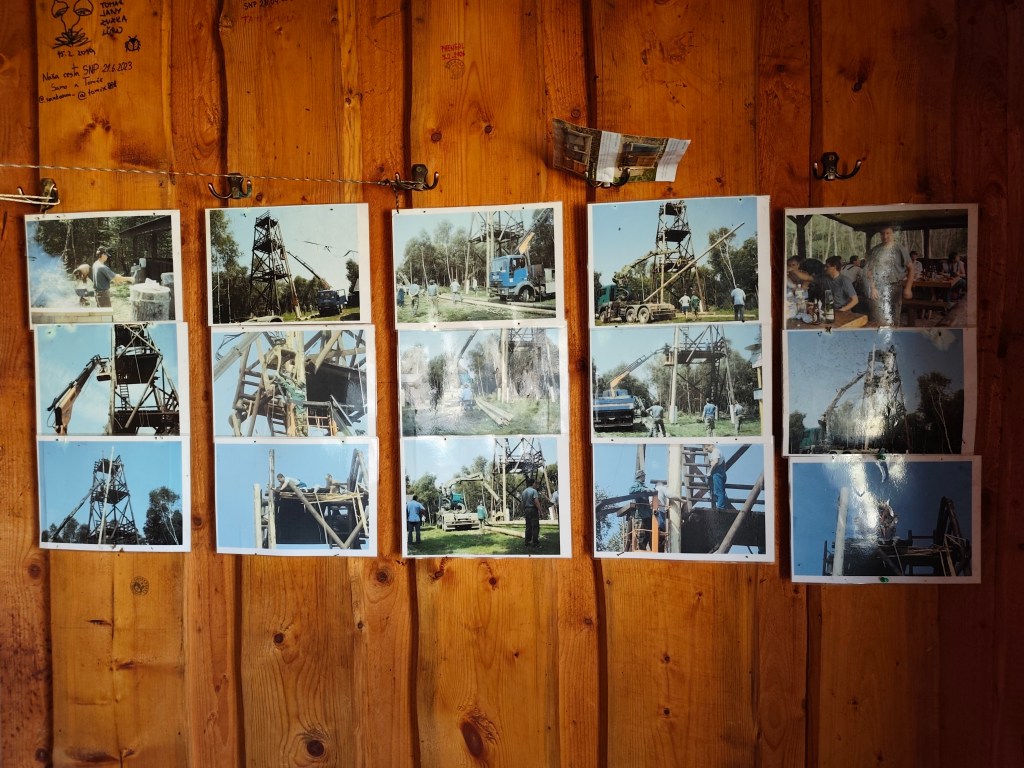
Inside the shelter Dnešnú etapu končíme v Kurimke, odkiaľ plánujeme zajtra pokračovať.
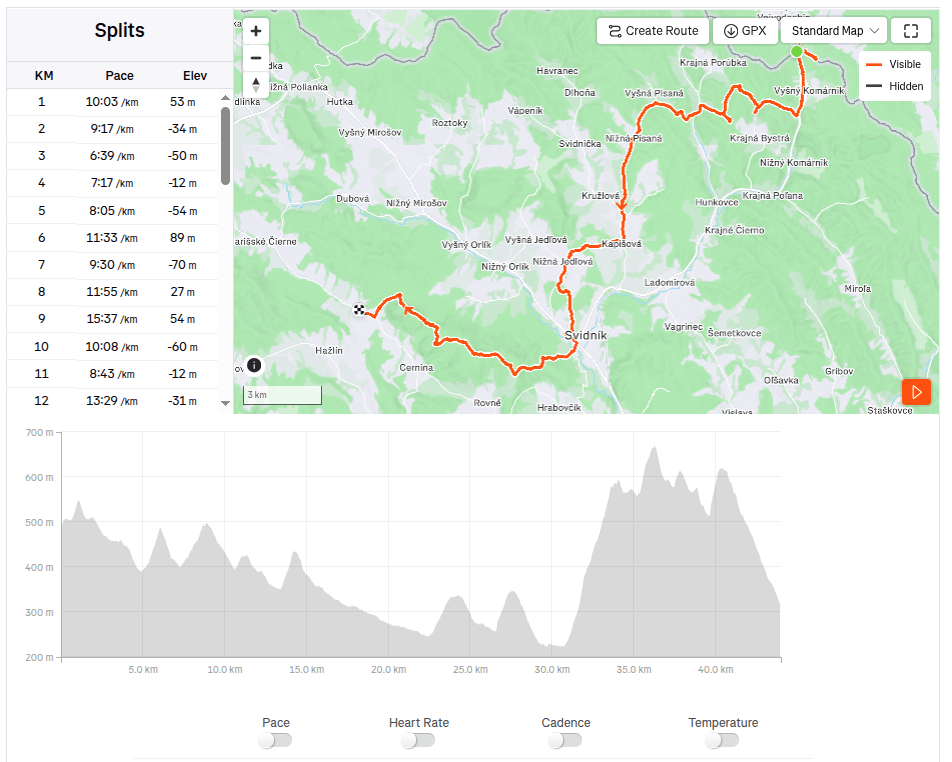
44km, 7:08 active, 1277m ascend -
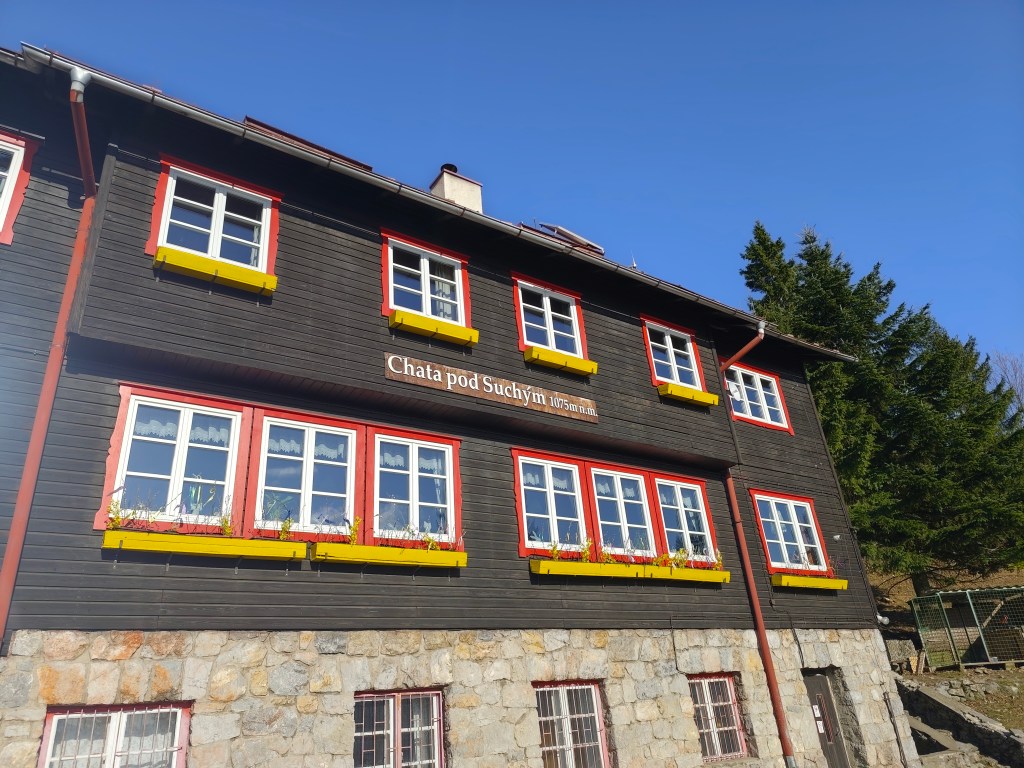
Chata pod Suchým with David
Our first sleepover together at a mountain hut, where we had to carry everything we needed on our own backs. Great adventure in Mala Fatra.
An ordinary thing for someone, for us it was something really big, Dávid packed his own backpack for the first time (lego and sweets, he obviously knows what’s important:) ) and I packed two people in one backpack for the first time.
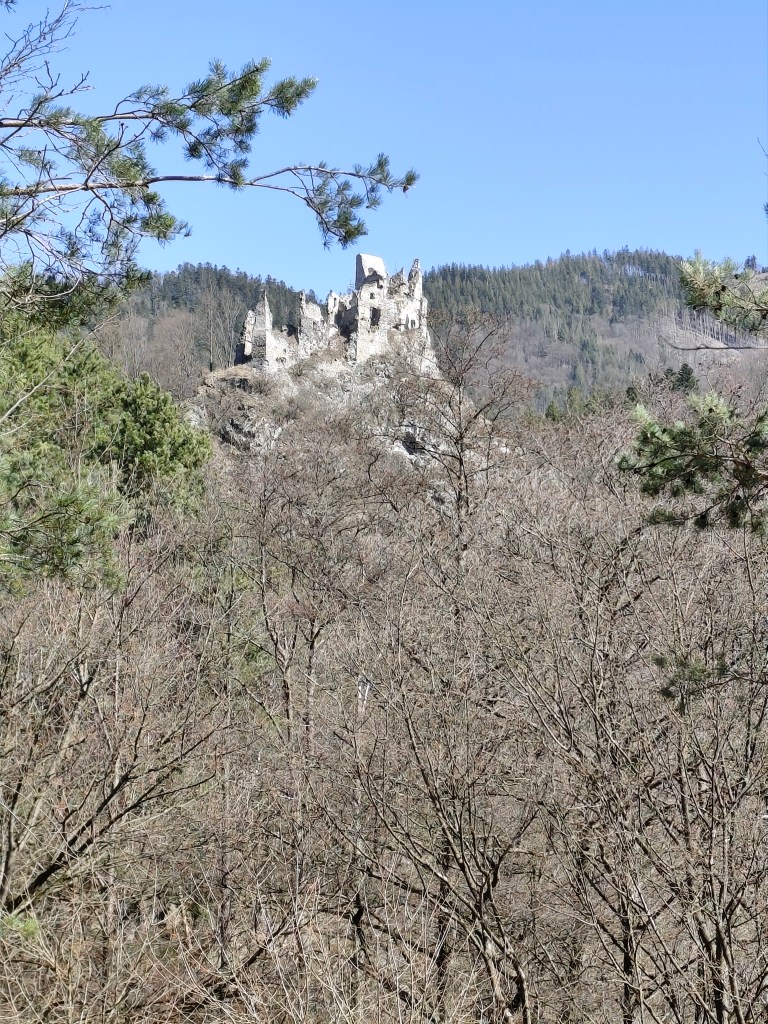
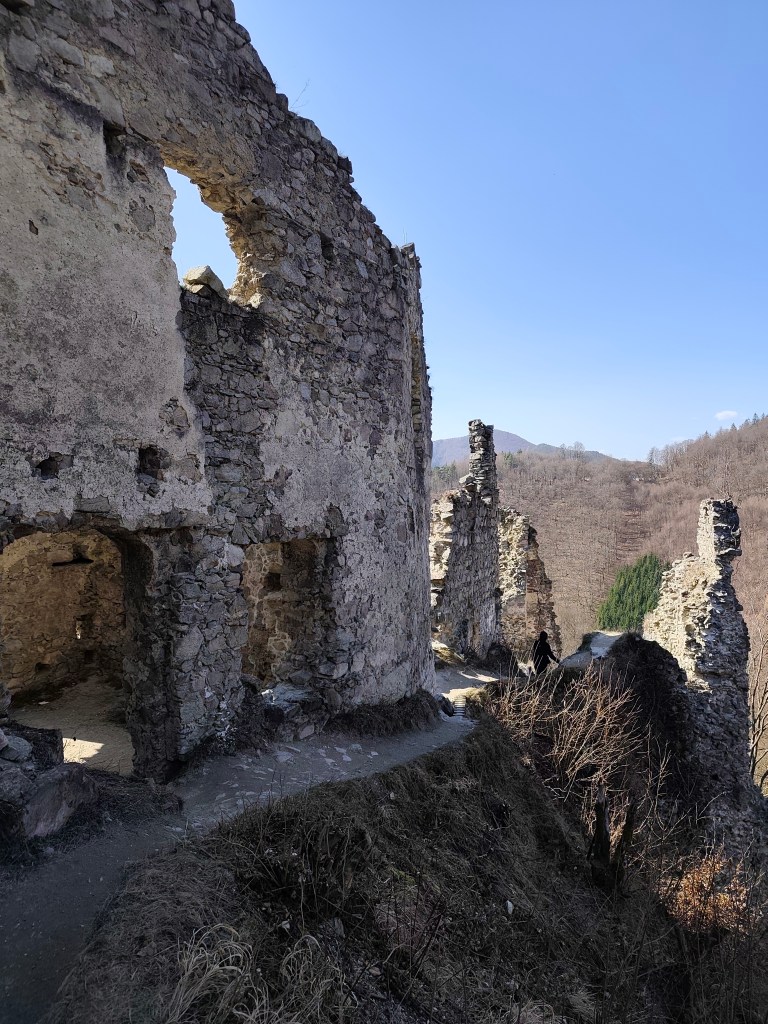
Starhrad Several hiking trails lead to Chata pod Suchým, and I chose the one from Nezbudská Lúčka around the ruins of Starhrad. We came to Nezbudská Lúčka by train, and from there it is 8.6 km and a healthy 931 meters of altitude up to the cottage.
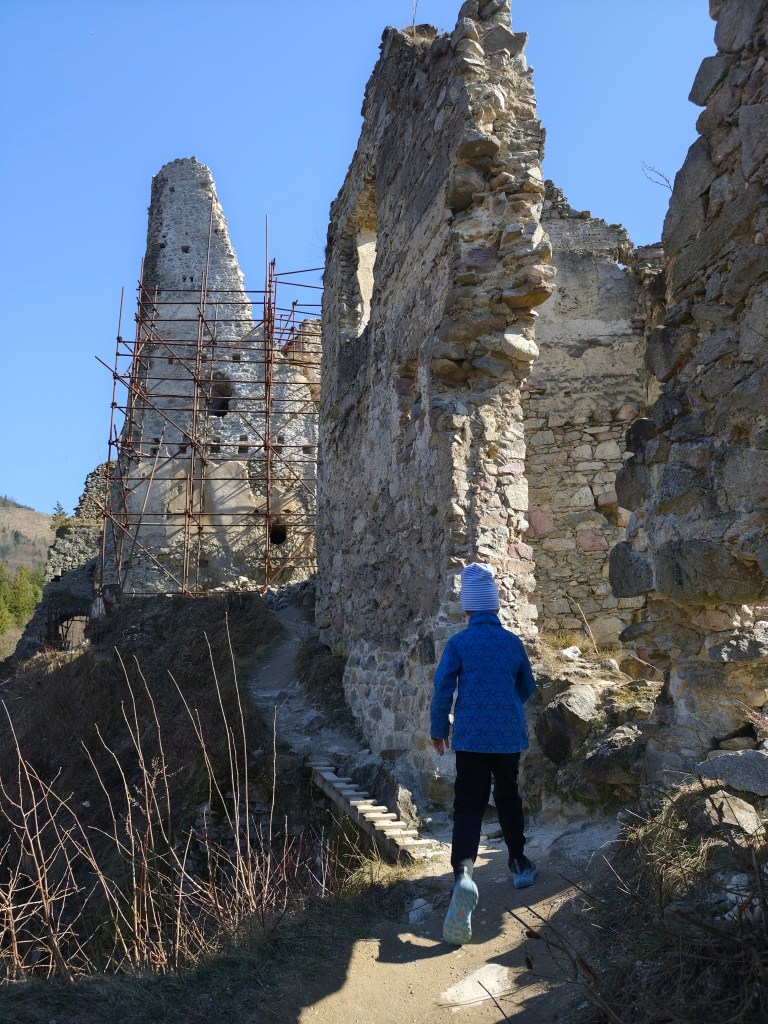
Ruins of Starhrad Starhrad is located opposite of Strečno Castle, on the other bank of the Váh River above the Domašínsky meander. The castle has preserved the masonry and layout of a medieval castle. The tower is still preserved up to the height of the second floor. To the west of it, the remains of the palace are visible, and the other damaged walls trace the terrain of the rock cliff.The original windows and entrances have been preserved in some places. A part of the Gothic bay window can be seen on the palace. There is a beautiful view from the ruins. It is an ideal place to take a break and strengthen before the most demanding part of the ascent to the hut.
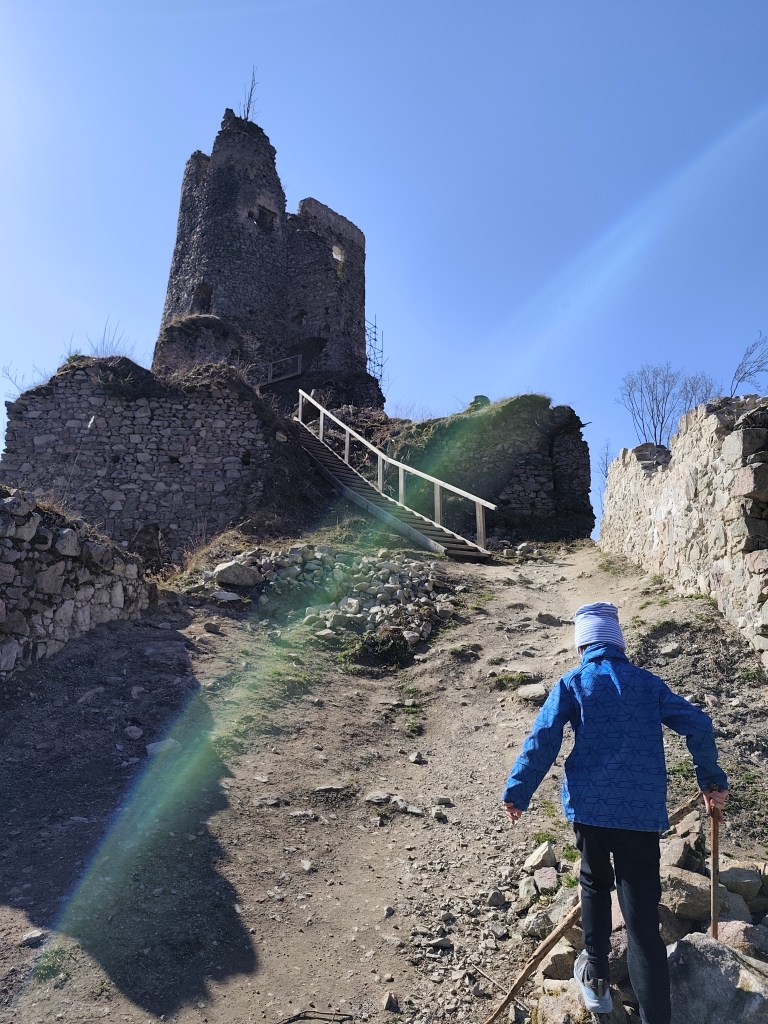
This is followed by a really steep climb up to the Plešel hill, during which I heard “when will we be at the cottage?” about 47 times.
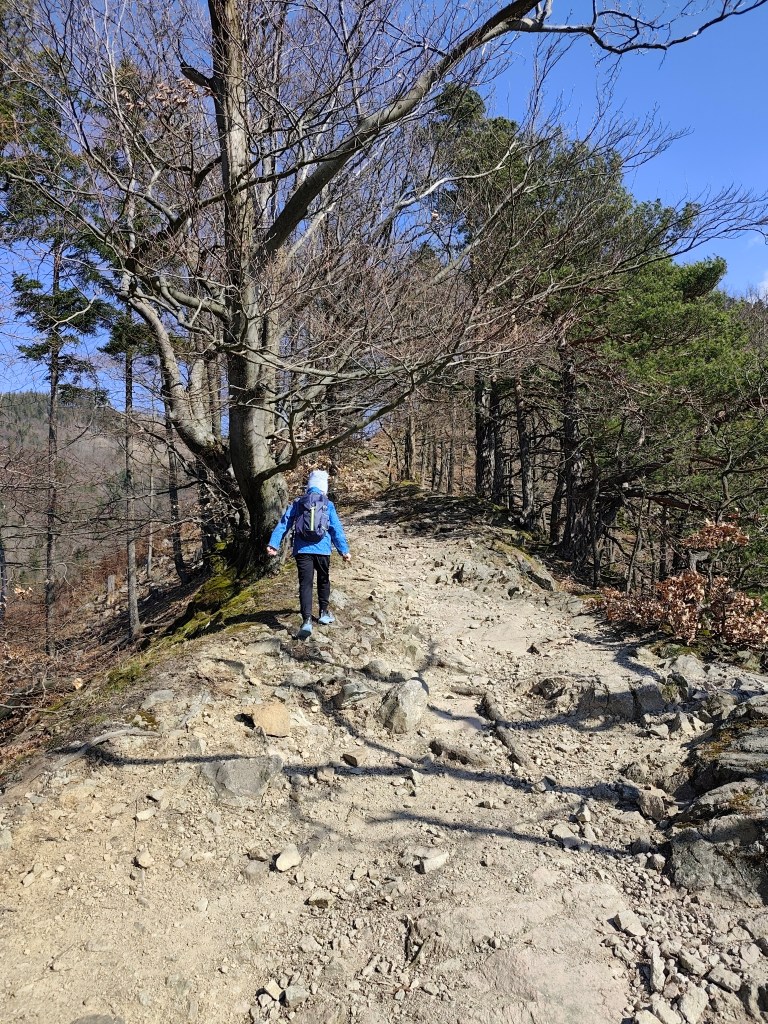
steep climb begins The cottage itself is located at an altitude of 1075 m.a.s.l., under Suchý Hill. The original cottage was from 1938, the cottage was a two-story building with an attic, it was built in a very modern style and there were a total of 80 beds in the tastefully furnished rooms and the common dormitory. The generator-lit cottage also had a dining room and a kitchen where tourists could prepare their meals. There was also water supply. However, this cottage was set on fire by German soldiers in 1944, it burned for 25 hours and the cottagers were not allowed to put it out.
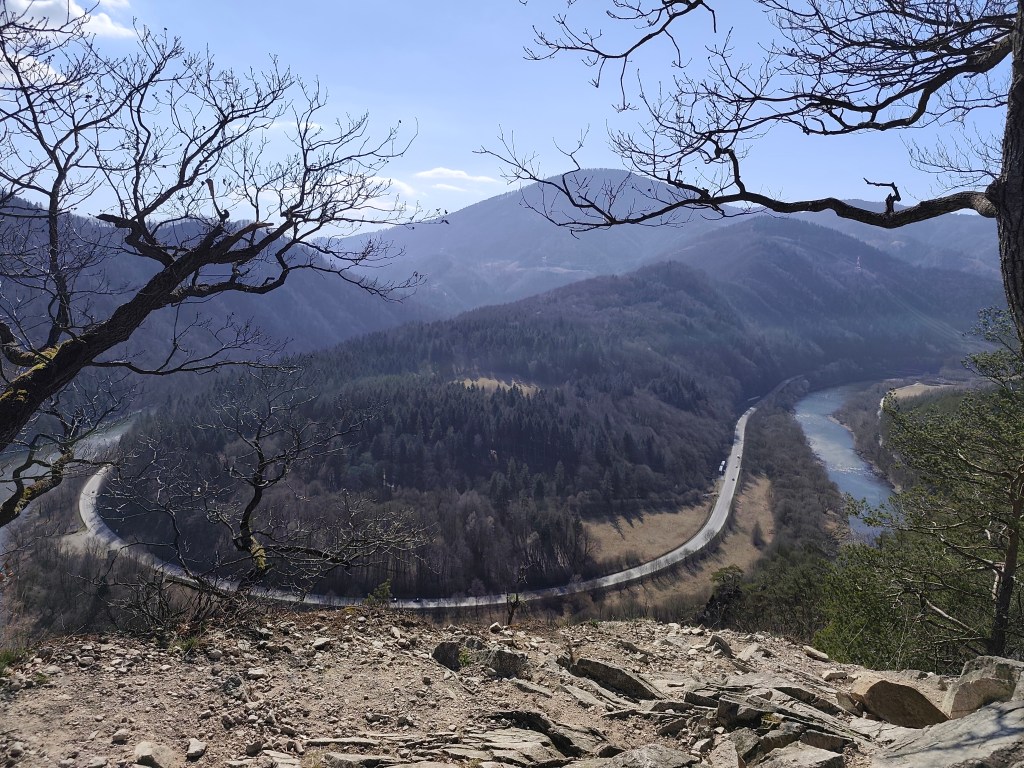
View on Váh Only the foundations and the chimney remained from the original cottage, the construction of the new one began in 1947. First, the construction of the farm building began. The beginnings were very difficult, they lived in a tent, later in a lumberjack’s hut. The material was transported from Strečno on wagons under the Starhrad, there was a transshipment area covered with a tarpaulin, and from there it was carried up by people and mules along the sidewalks. The cottage was completed in the summer of 1949. It was almost identical to the first cottage, just without front windows in the attic part, as the gable roof was replaced with a symmetrical one.
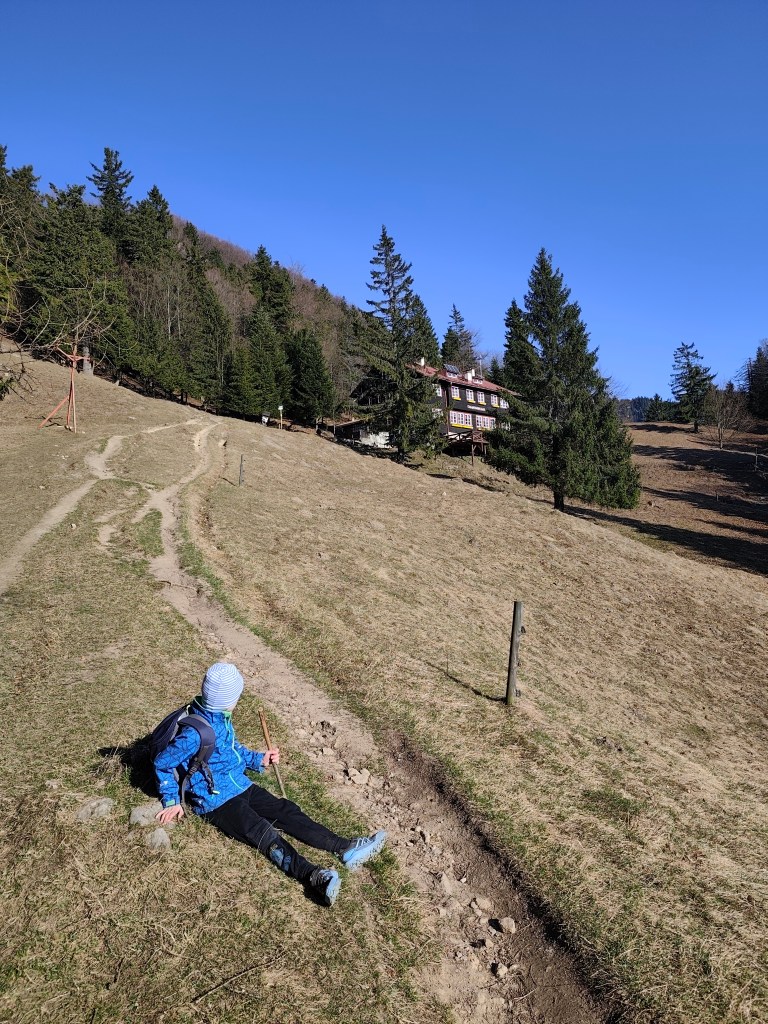
We made it The current cottage offers a year-round kitchen and tourist rooms with shared bathroom facilities. Since the electricity is supplied by a generator, everything goes out at 10 and even hot water is only available in a limited amount 🙂
But it was a wonderful experience for us that we managed the ascent together and enjoyed our stay even with such “uncomfortable” conditions for the modern world.
The next day we literally ran down and therefore we had some time to see the Nezbud quarry before the train – it is a flooded quarry where asphalt crumb was once mined, it has a nice green-blue color and you can walk around it.
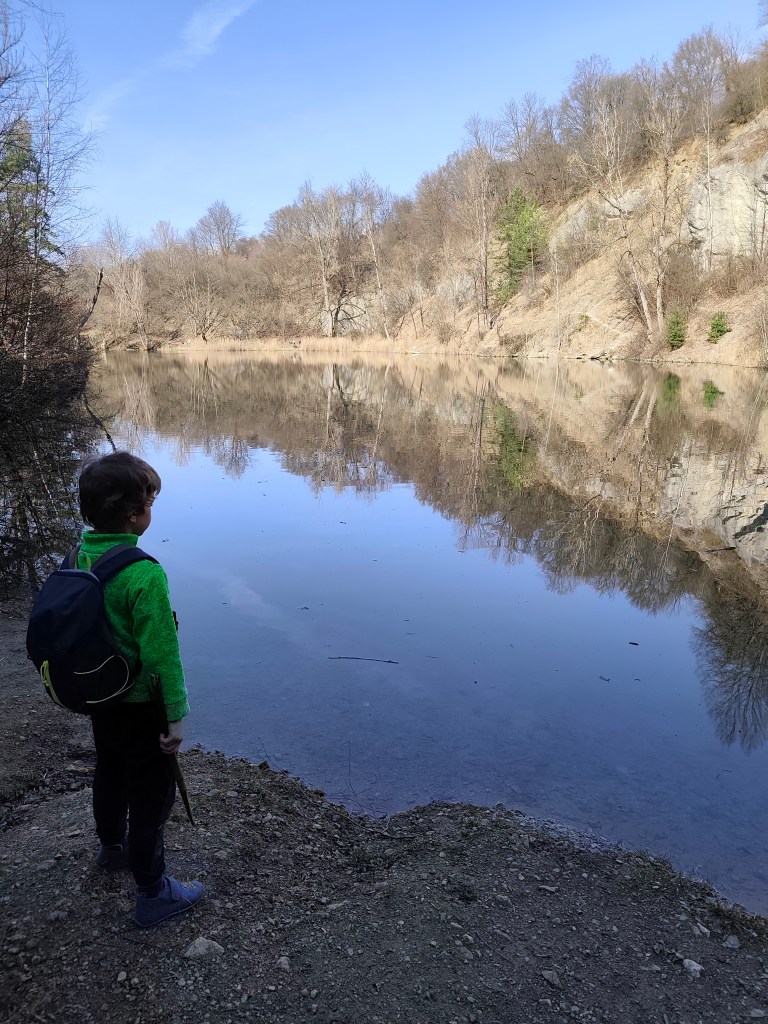
Quarry Nezbud Dávid was 6 years old at that time.
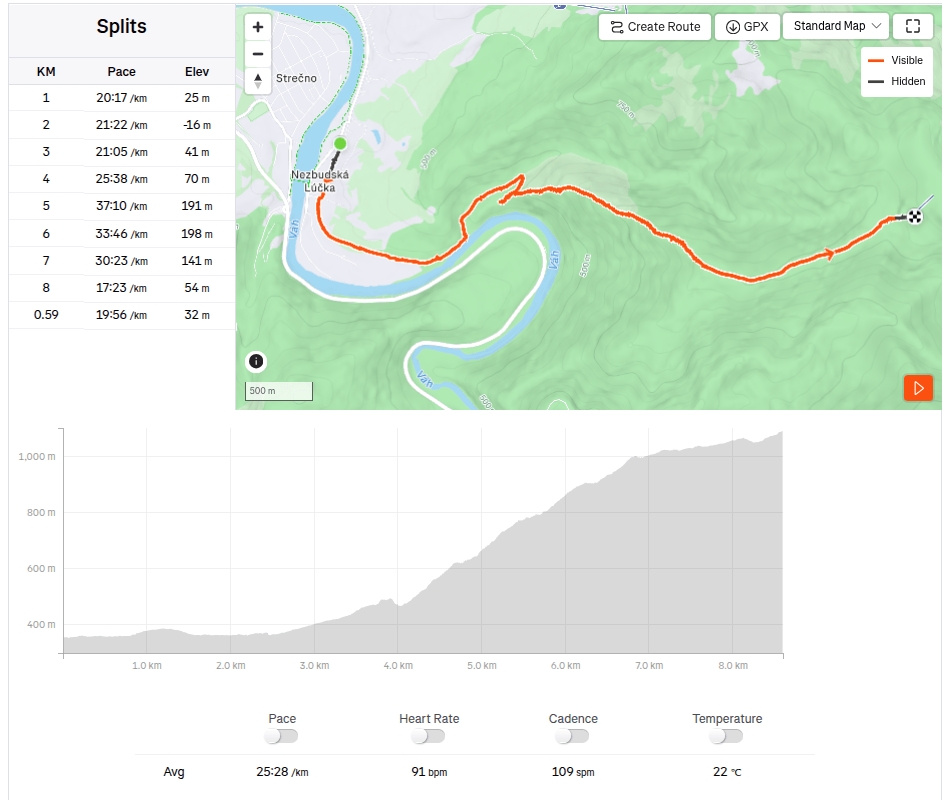
to the cottage: 8.6km, 3:39 active time, 5:13 total, 931 m ascend
-
Subscribe
Subscribed
Have a WordPress.com account? Log in now.

