-
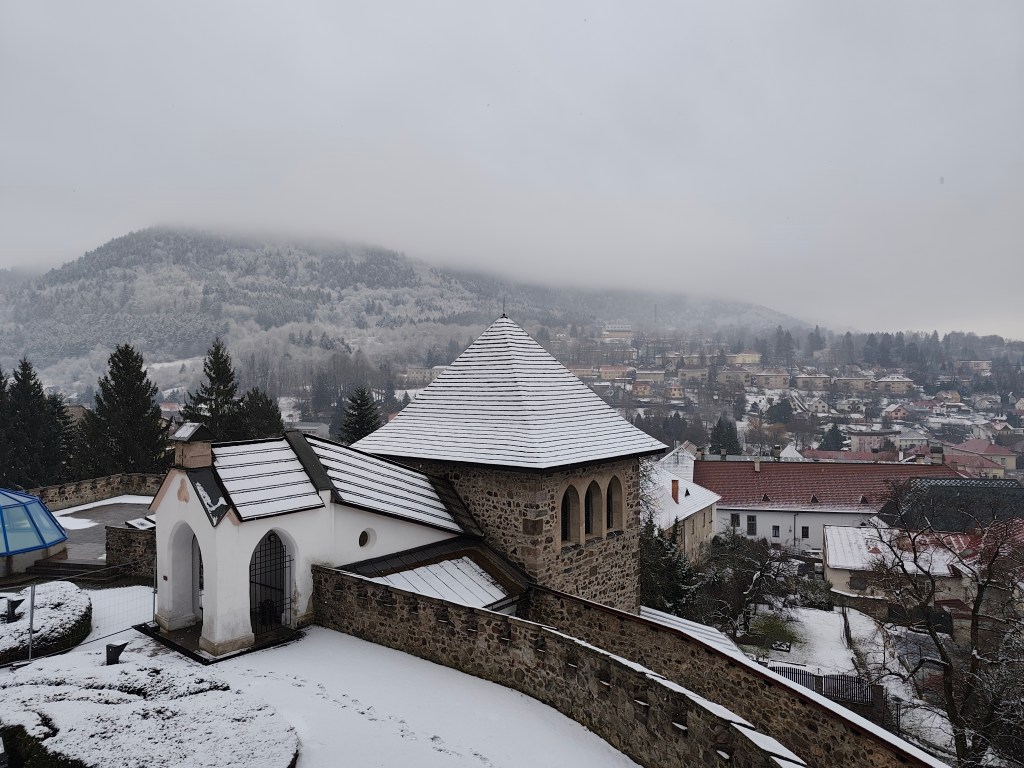
Kremnica castle
It’s the end of January and it’s still cold, so I decided to brighten up this cloudy and cold day with a trip to Kremnica. We’ve passed through it many times, but we’ve never been here before. We came mainly to see the Kremnica Castle, but as a bonus, we got entry to the Museum of Coins and Medals with our ticket.
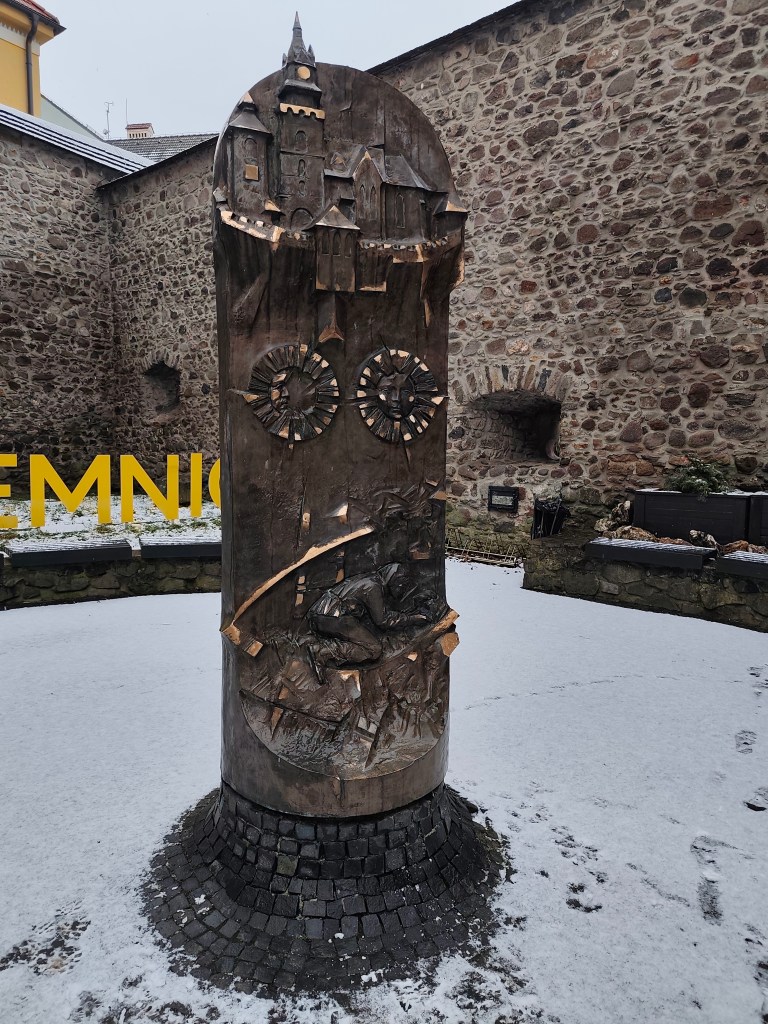
Kremnica has beautiful historical centre The Kremnica Castle is a complex of buildings from the 14th-15th centuries, protected by a double fortification, which is joined by some of the best-preserved city walls in Slovakia. In the center of the complex stands the dominant Gothic Church of St. Catherine.
The castle also includes other buildings such as a rectory, an entrance gate with a barbican, and defensive bastions. The construction was undertaken by the townspeople exclusively for the needs of the administration and defense of their town, and they were its sole owners.
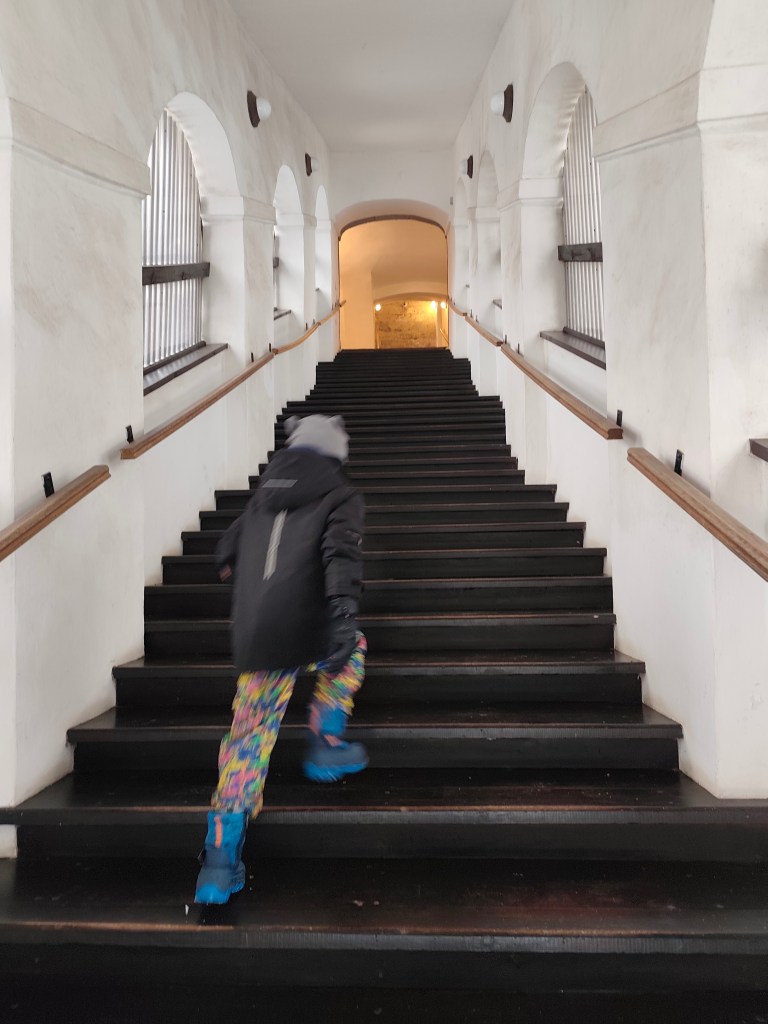
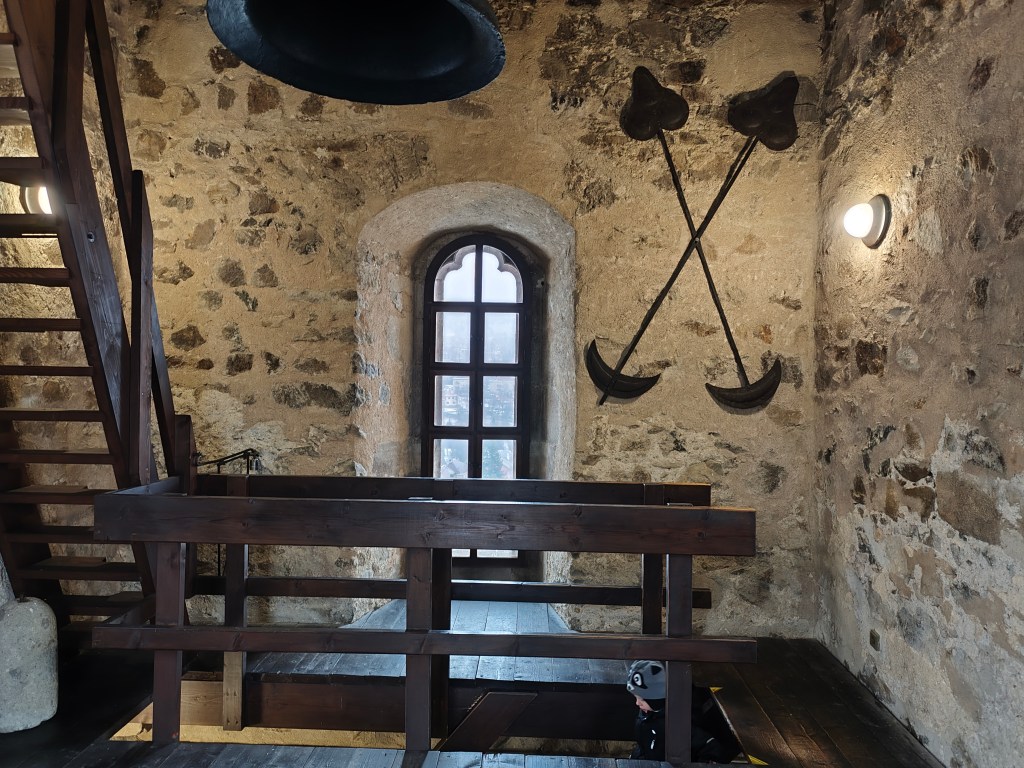
We enter through the fortifications A tower was loosely attached to the church in the 15th century. For centuries, it housed guards and announced danger.
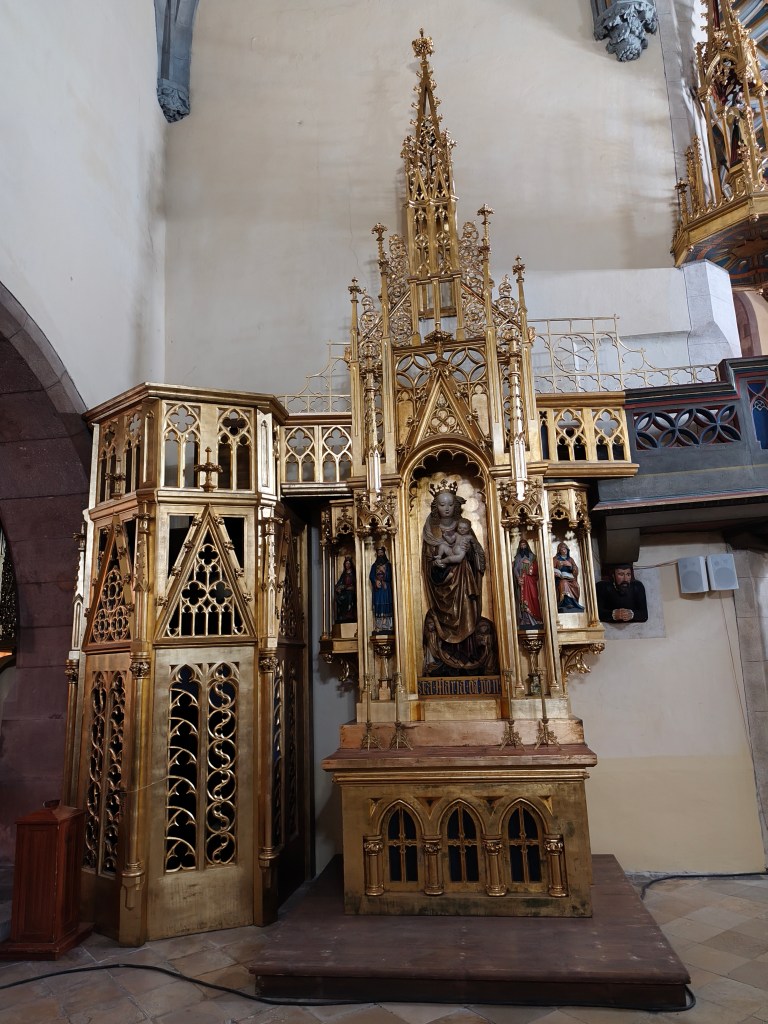
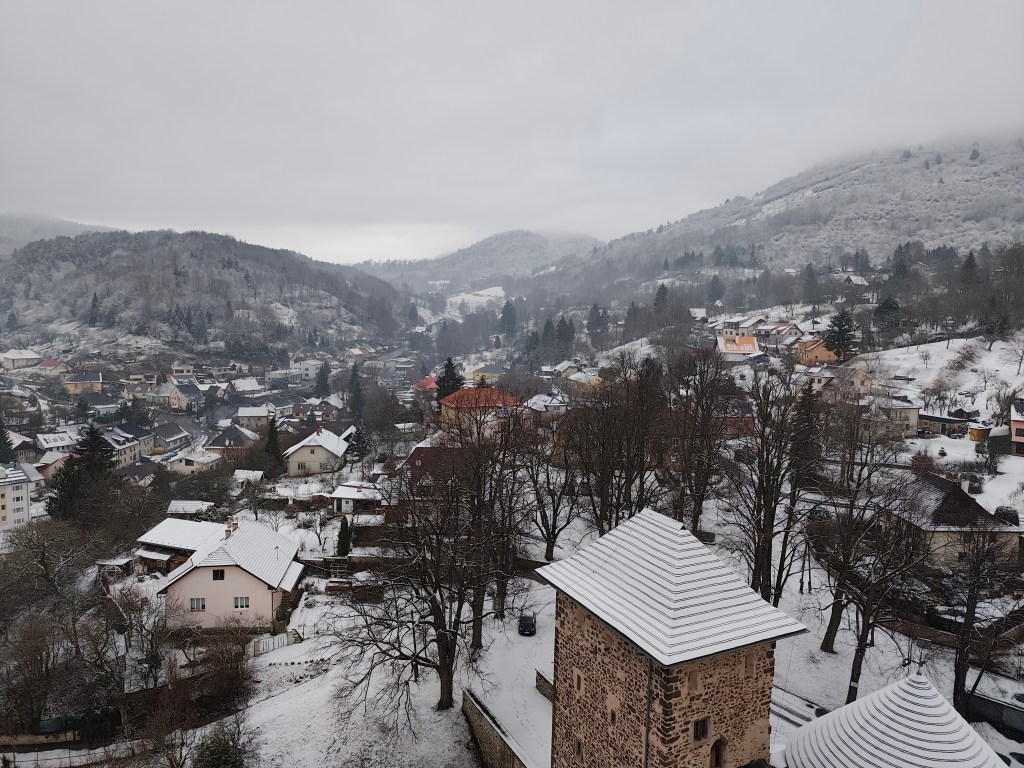
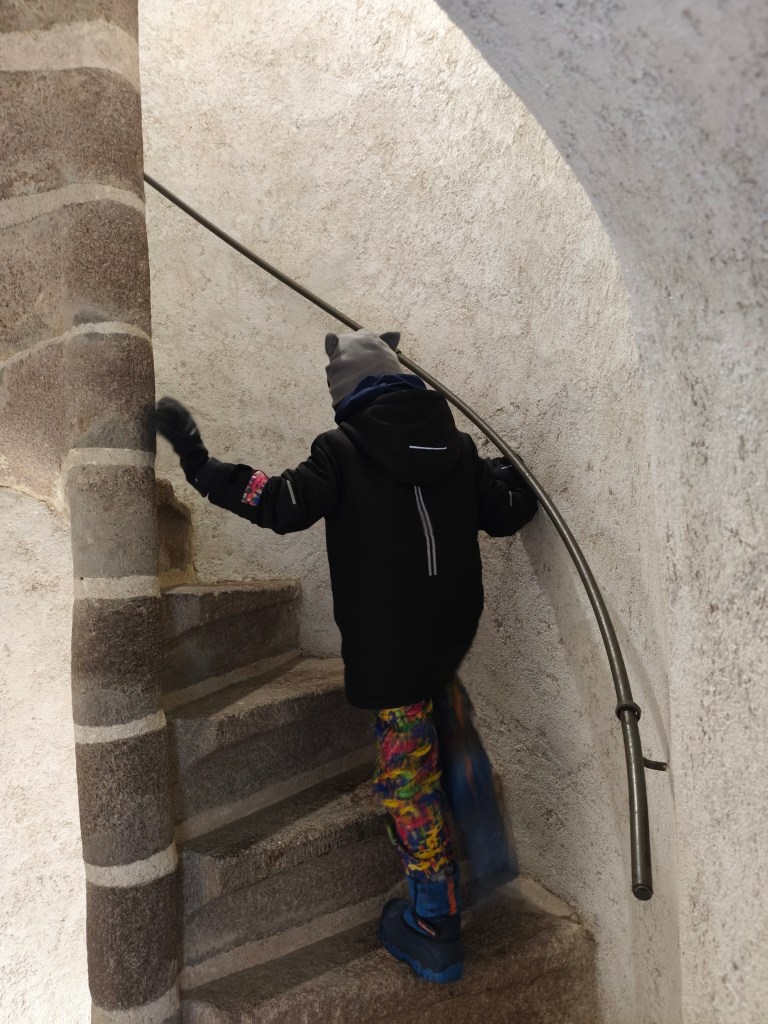
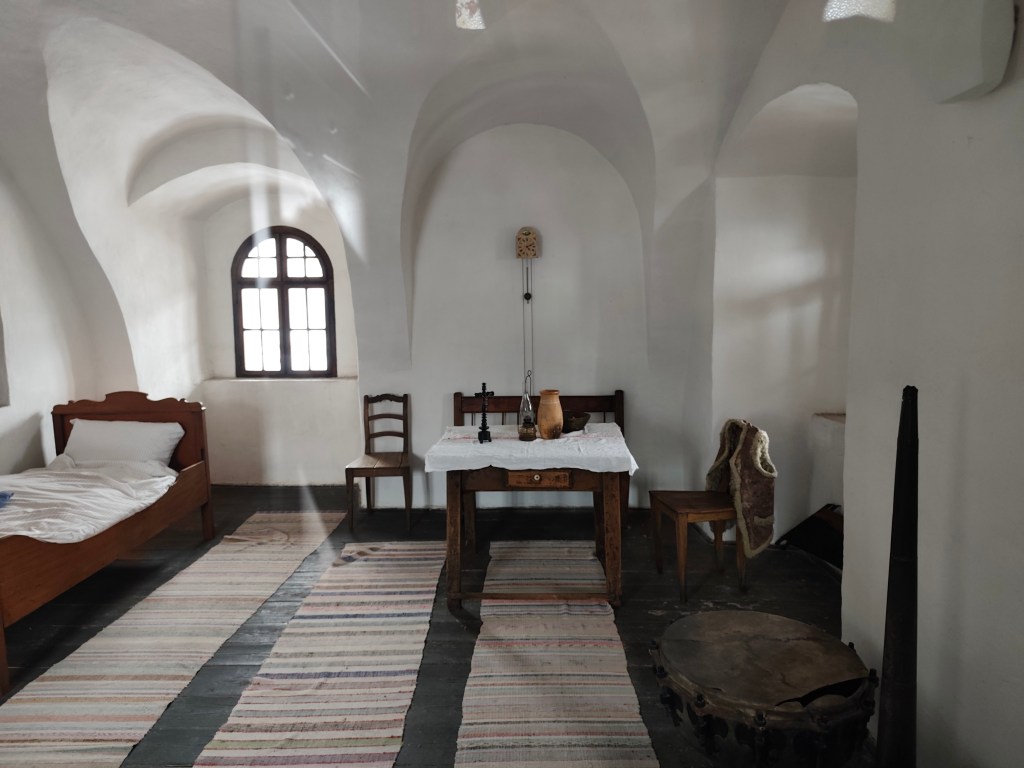
In the church of ST. Catherine The guards’ room currently functions as an exhibition and offers the most beautiful view of the city skyline and surrounding hills. Visitors can reach it by climbing 127 winding stone steps.
From the castle we went to the Museum of Coins and Medals, which has 4 floors. Each floor has a different exhibition: the history of money in Slovakia, the history of the city of Kremnica, Kremnica mining and metallurgy, and a section dedicated to medals.
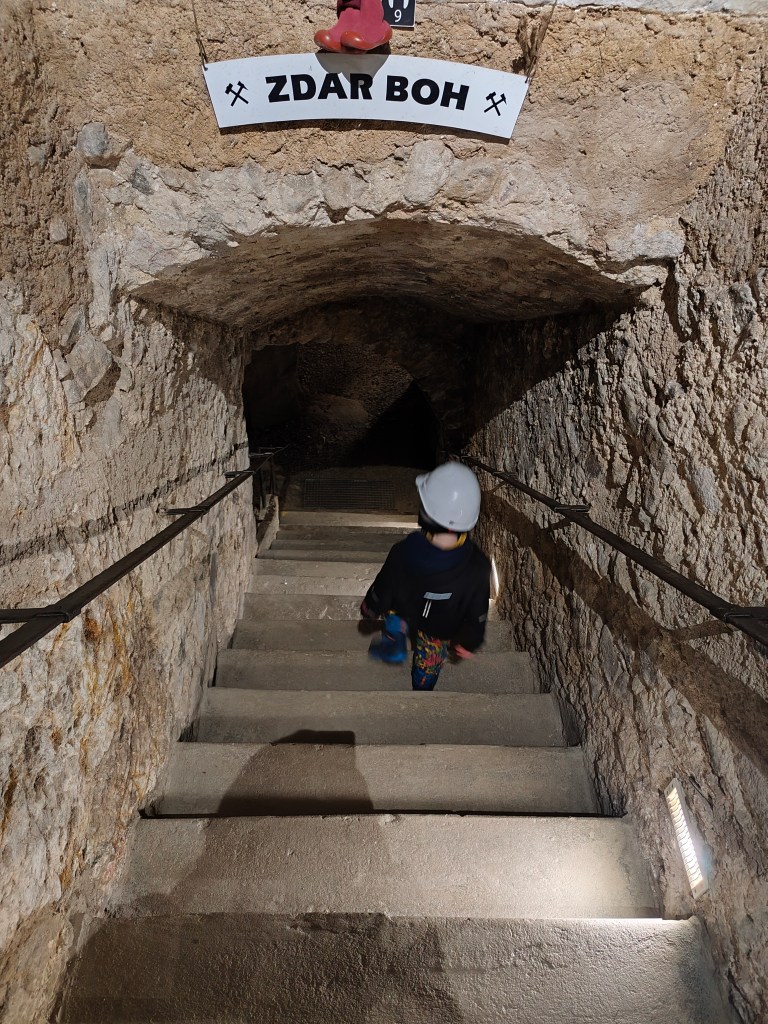
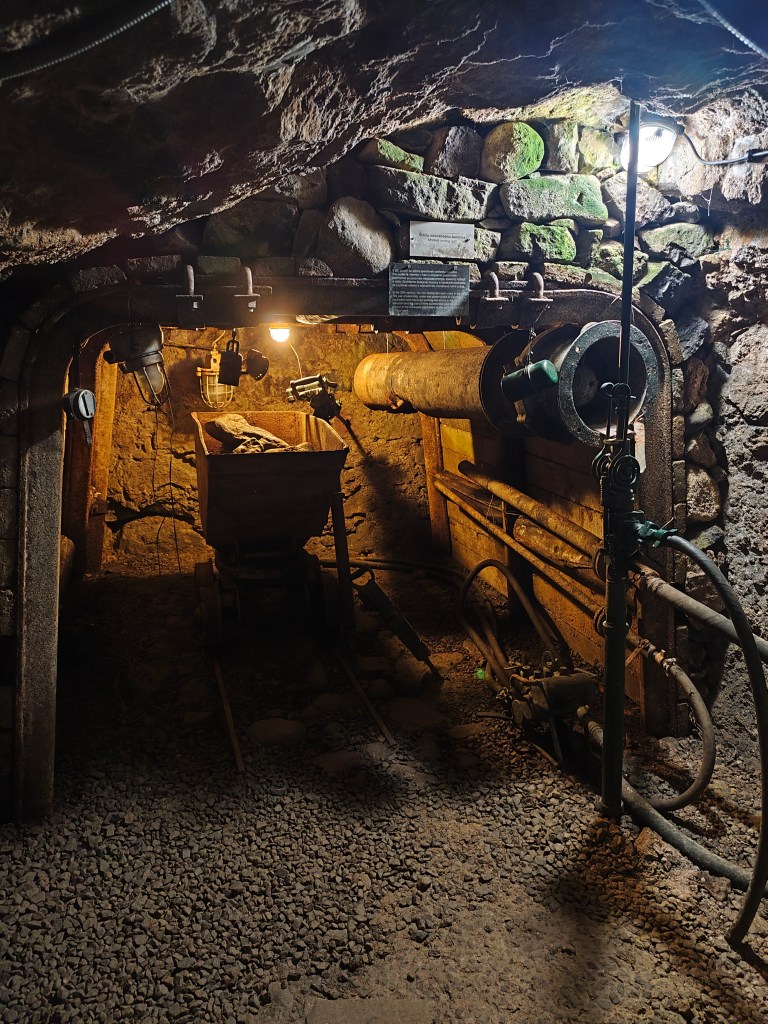
We liked the lowest floor about mining the most, there were various minerals, gold and machines used to mine and process ores on display. There is also a small gallery.
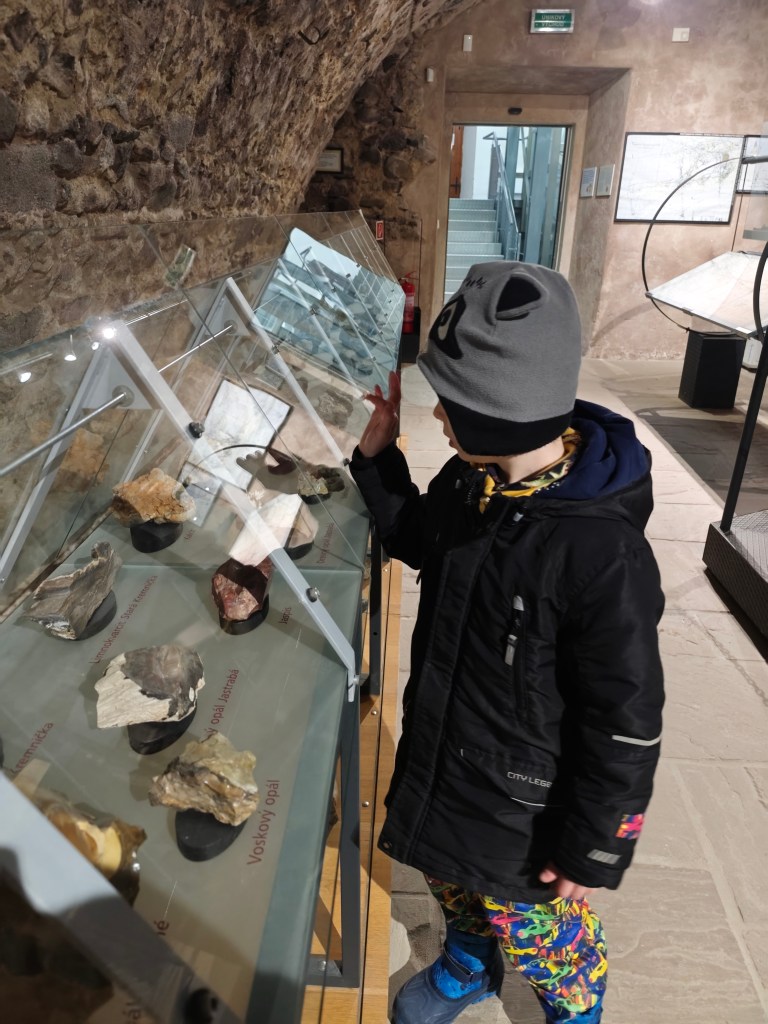
Collection of minerals 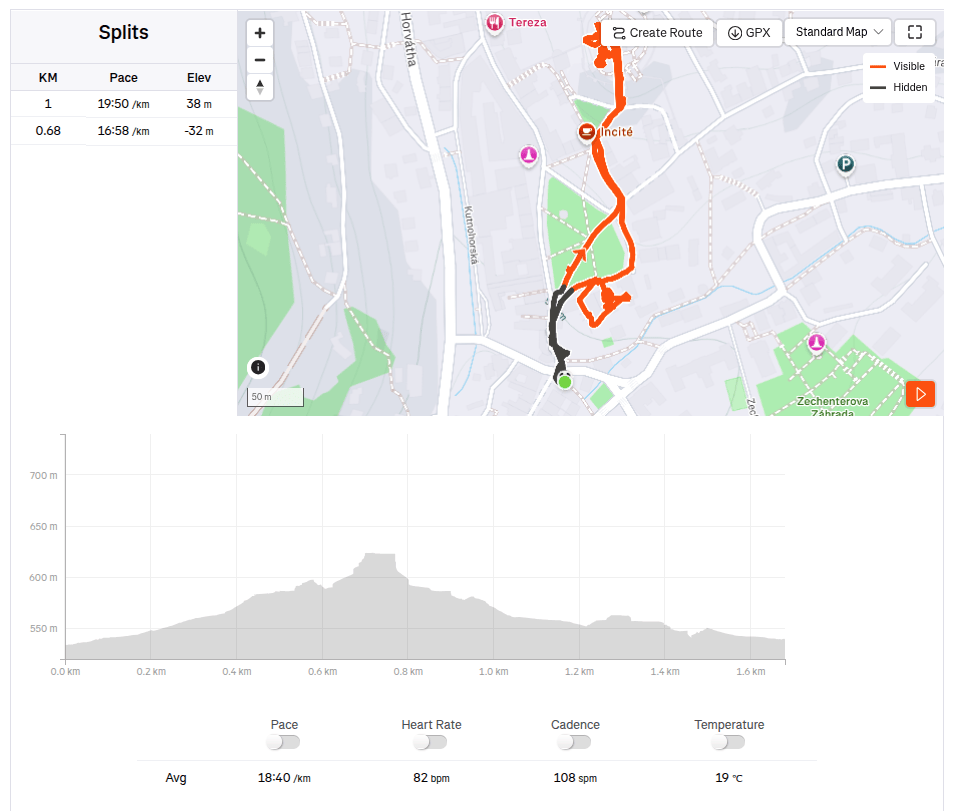
1.7km, 1h 10min -
Paradajs, Tanád
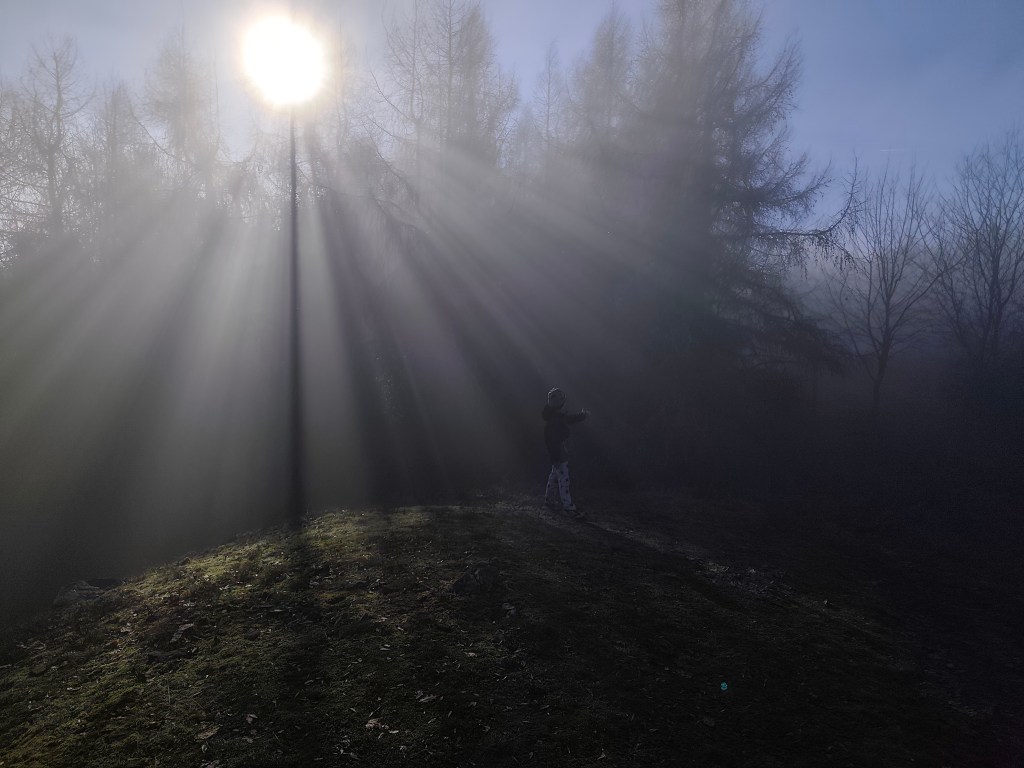
A few days before Christmas, it was a foggy days, so we looked for the sun. This time above Banská Štiavnica, I parked my car in the parking lot near Hájovna in the Červená Studňa saddle.
There is also a pond of the same name (at an altitude of 787 m above sea level). It was built as a taich in 1759 according to the design of the inventor Jozef Karol Hell, so that the drive ditch from it brought water to the Amália shaft to drive the water column pumping machine as well as to other mining works. The length of its dam is 117 m. It is the last built and still preserved Stiavnica tajch – six years after its construction, James Watt invented the steam engine.
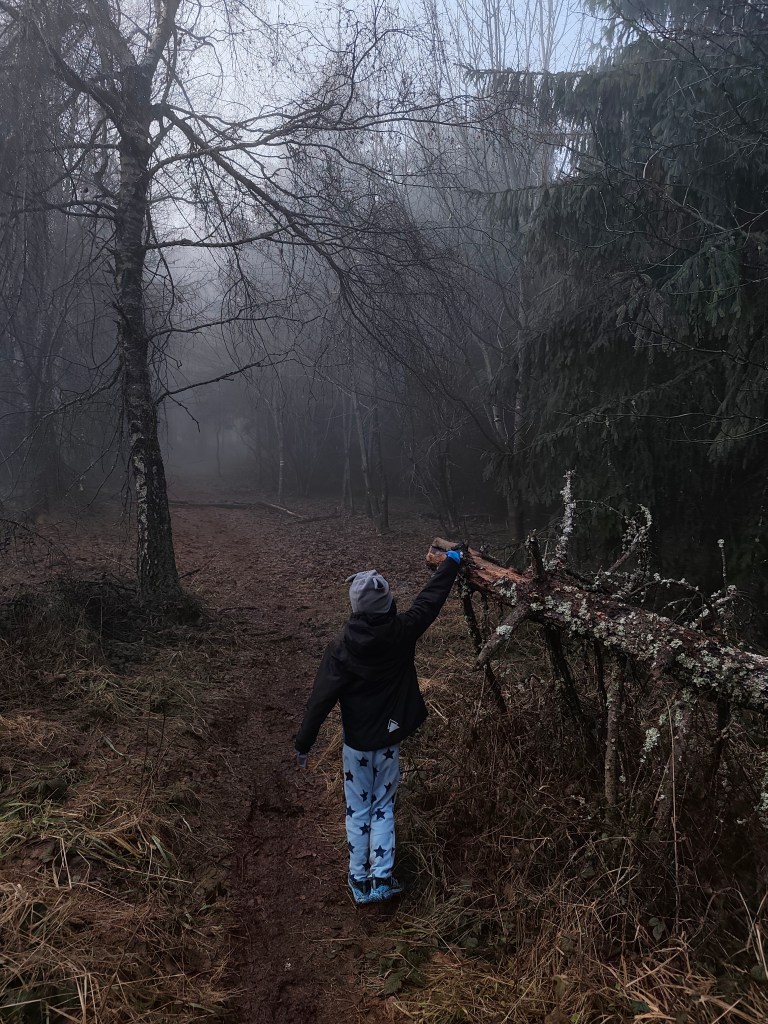
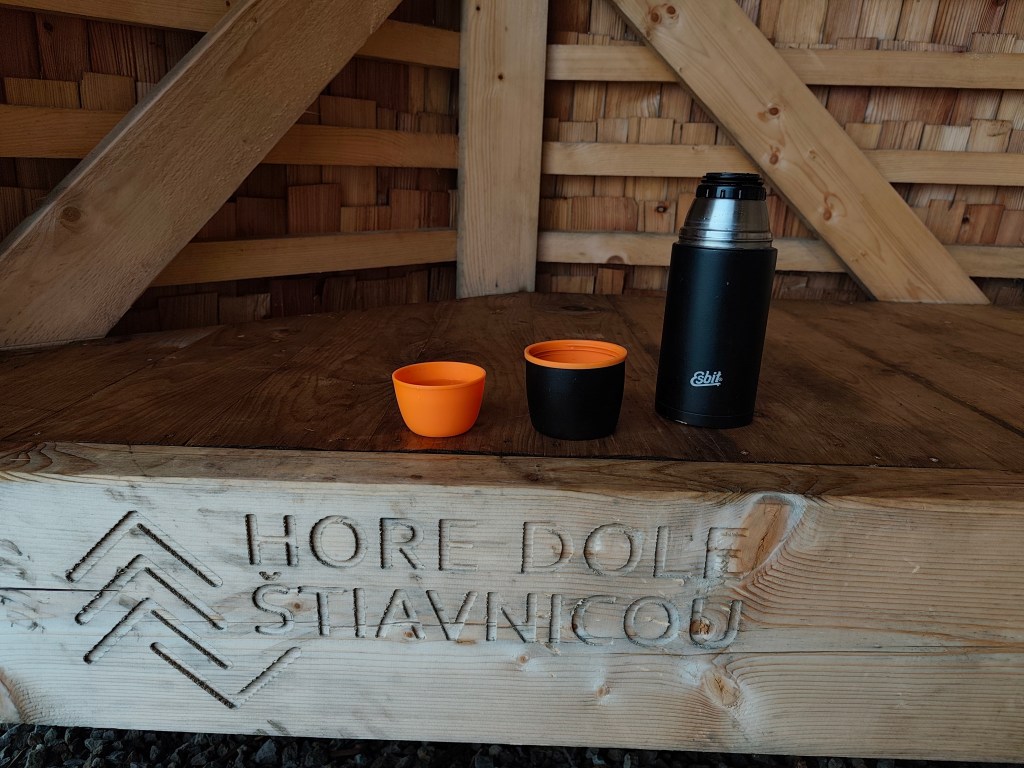
Ont he way to Paradajs We continue along the nature trail to Mount Paradajs (939 m.a.s.l.). It is the second highest peak of Štiavnické vrchy, it is interesting that further south along the ridge is the high Tanád hill. Paradajs has a flat unforested peak that provides wonderful views of Štiavnica (today it only provided us with menhirs emerging from the fog:) On its top there is also a newly built semi-circular shelter where you can have a great picnic.
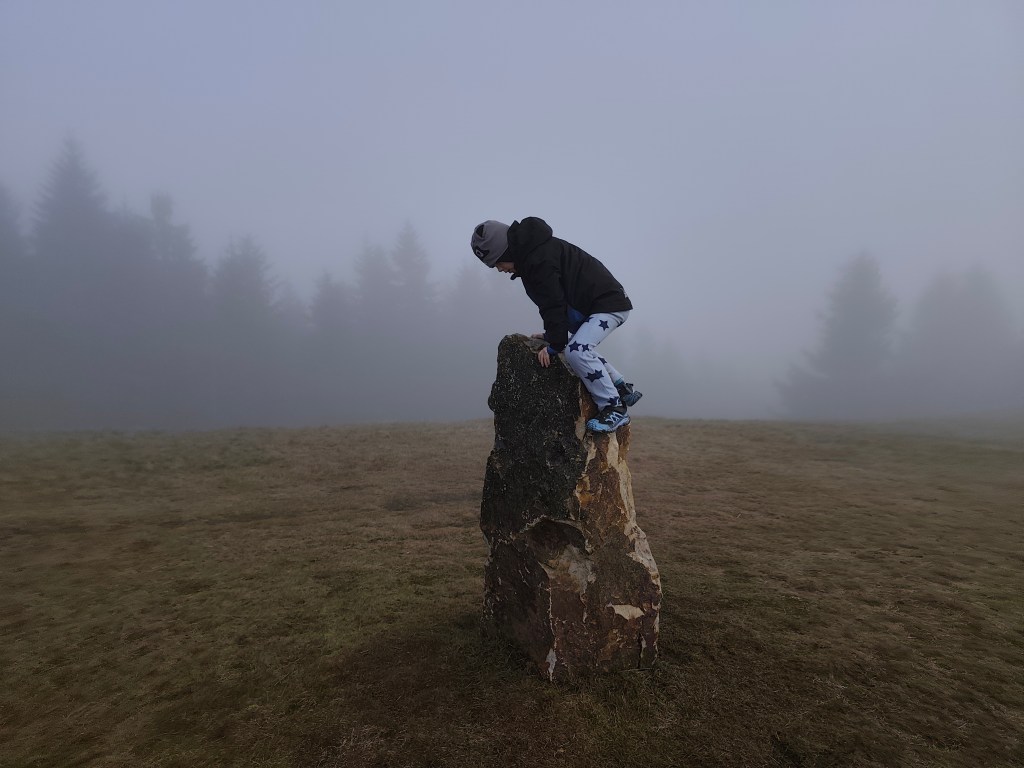
Dávid on one of the menhirs 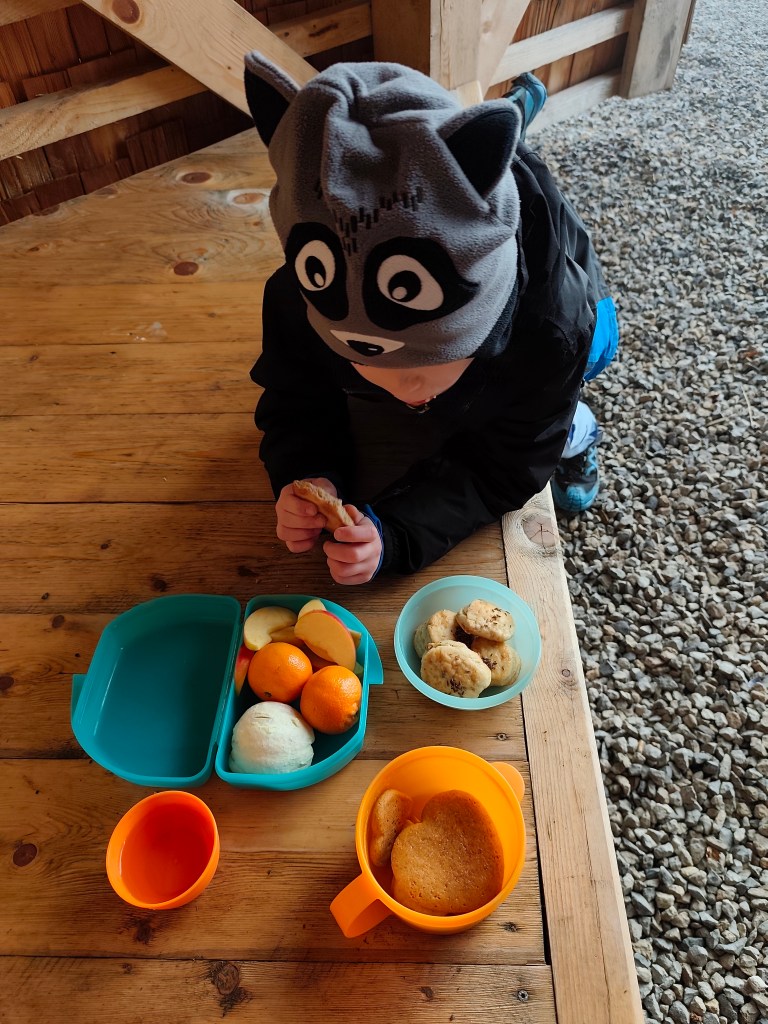
We continued through the foggy forest to Tanád, where we finally managed to climb out of the fog into the sun for a while.
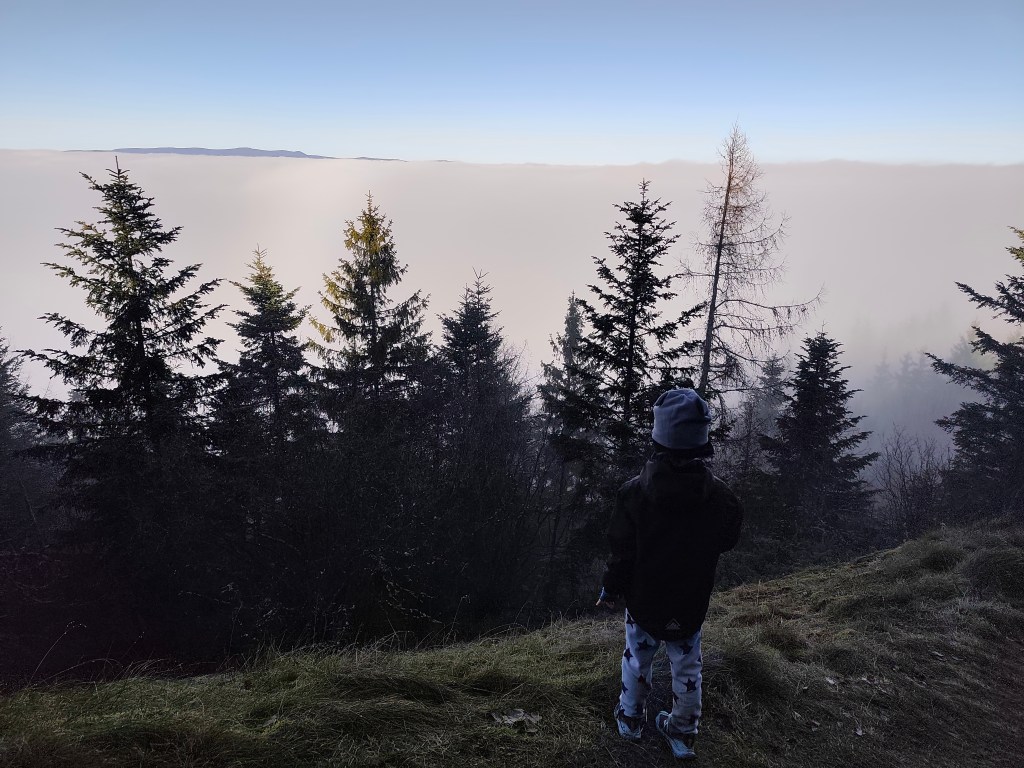
Finally above the fog 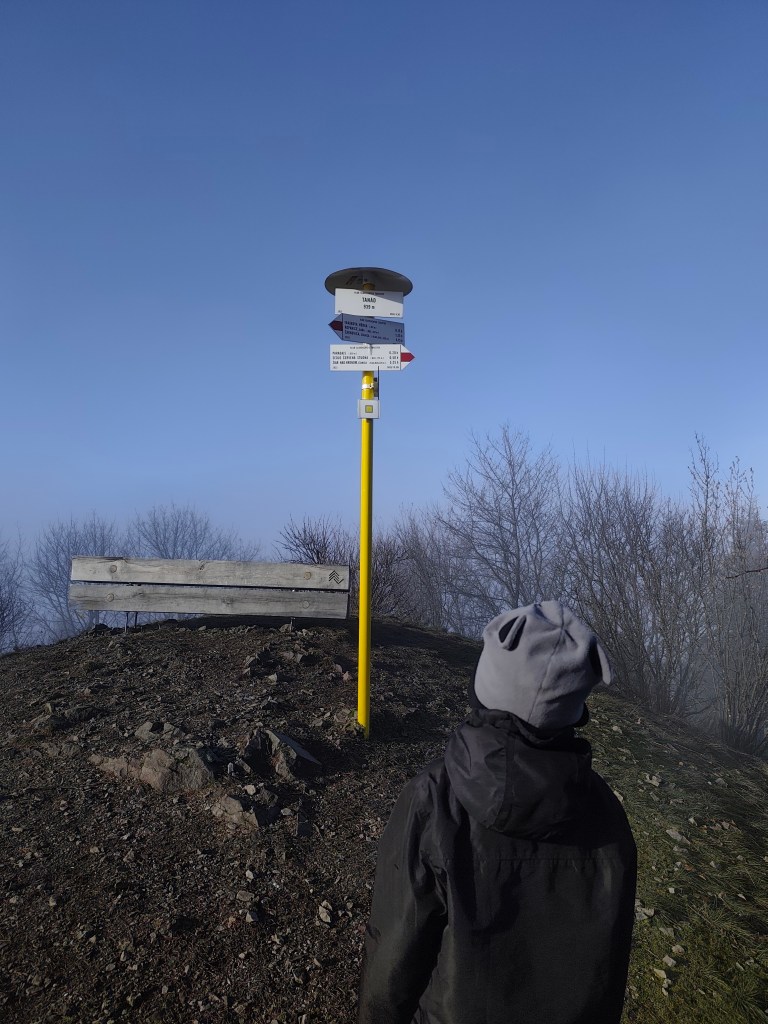
Sun on Tanád From Tanád, we turn onto the yellow road and descend steeply, then we turn onto the green educational path of Milan Kapusta, past the old tunnels and the Ottergrund tajch.
We always found something, that makes it worth it Tajch Ottergrund is the highest artificial reservoir in Štiavnické vrchy. It is small, but it has one big advantage.Banská Štiavnica is right in the palm of your hand from here, including the iconic calvary (but of course it couldn’t be fog:D). The Tajch began to be built in 1751 and served as an energy source for the nearby mine shafts, as well as a source of drinking water for the city and a fire tank. Fortunately, it has been preserved to this day, it was recently renovated and a safety spillway was built here. The current depth is 6.6 meters.
Today we finish in Hájovňa in the saddle of Červená Studňa, where we warm up nicely after a foggy and wet day. As a reward, we treated ourselves to cappuccino and Dávid to sausages and juice.
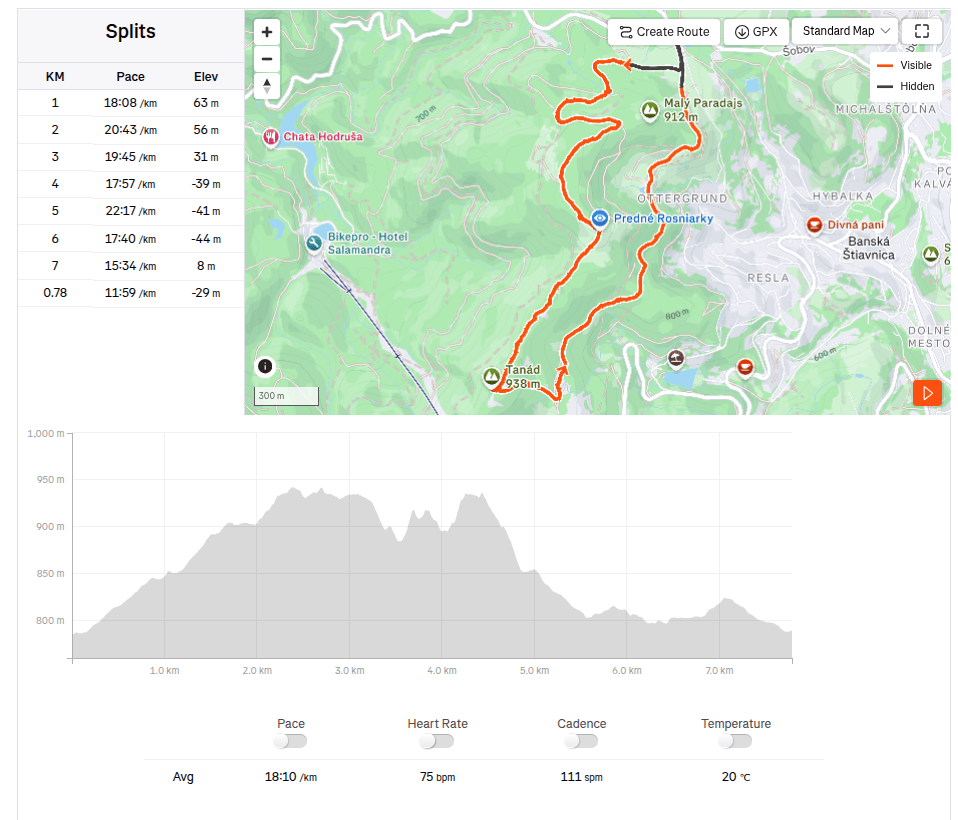
7.78km, 3h, 321 m ascend
-
Subscribe
Subscribed
Have a WordPress.com account? Log in now.

